
SHANE
This is my actual fucking nightmare, Ilya.
ILYA
Ok, then maybe it’s time to wake up, yes?
Heated Rivalry
CAROL
They are not evil. They wouldn’t even kill an ant.
MANOUSOS
And isn’t it evil to value a man the same as an ant?
Pluribus
We are collectively ALL IN on our swan dive or phoenix rise not just into the next chapter or page turn of the human experience but new book all together. The Saturn Neptune conjunction at zero degrees of Aries has been a reset of consciousness as it births itself back into form.
This awakening from our Piscean dream (or nightmare) is the reminder that life on earth only truly ends when we no longer have the force within us to respond. If you feel disillusioned and angered by just how far you have been purposefully taken from your own will, or driven by a rising fire in your belly to experience more, you are right on time.
Aries is the beginning, it is where we are forged through fire into this existence. It is the baby stumbling through their first steps, willing to risk it all just to know what it feels like to do the thing. What are you gonna do? I personally can’t wait to see.

We have been under the influence of the Saturn Neptune conjunction moving through Pisces since early 2024 and got a brief taste of this energy in Aries at the start of 2025. Both planets are fully in Aries now and through their only exact conjunction which happened in February of 2026. During the transition of this energy from Pisces into Aries, one thing that has caught my attention is the popularity around two particular television shows.
If you have any interest in tv you have probably heard the hype about Apple’s Pluribus, currently the most watched series ever to air on its platform, and Crave’s Heated Rivalry, which has also reached the most watched original series on the Canadian network, along with holding the record for highest performing acquired live action debut on HBO. As I am writing this, it also has one of the highest ranked episodes ever of a series on IMDB, with Episode 5 oscillating between a 9.9-10 out of 10 rating (IYKYK).
Exploring the popularity of Pluribus & Heated Rivalry alongside the timing of their releases, which align with the Saturn Neptune conjunction, gives us a window into what this transit is awakening within us. Our collective imagination is shifting and the overwhelming response to these stories is one way to gauge where we might be heading.
Neptune is the planet we most associate with film because of its relationship to illusion, fantasy, and the imagination. When Neptune changes signs, it shows us where we are collectively turning our gaze when it comes to how we understand ourselves and one another through the creative media that is captivating our imagination. Because the ingress of Neptune into Aries is not just happening on its own, Saturn is right there with it forming their once every 36 year conjunction, there is a whole other layer of significance for how this transit is impacting and reshaping our world.
Both Pluribus and Heated Rivalry are Saturn Neptune coded shows at their core with main characters who perfectly embody this astrological combination. Even the actors who play these roles, and the creators of each show, were all born into the various micro generations who carry this combination in major aspect by sign in their birth chart.1 When we have impactful multi-year world transits, such as the current Saturn Neptune conjunction, it is not uncommon to see those with this combination in their birth chart rise into more prominence within the public eye and become a representation for the collective in this moment in time.
Show Breakdowns
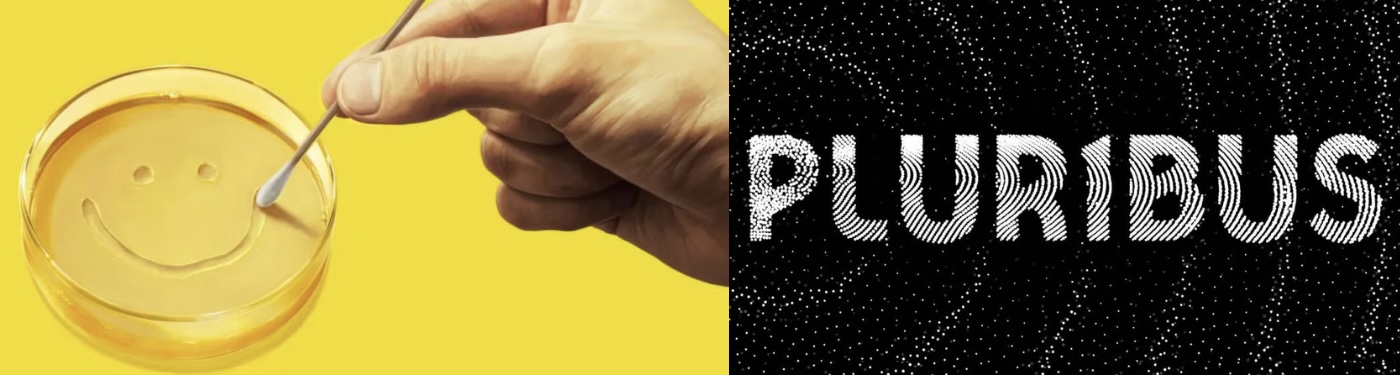
Pluribus is a dystopian sci fi and dark comedy created by Vince Gilligan that follows main character Carol Sturka (Rhea Seehorn), a bitter lesbian writer at the mercy of her own career which gained popularity from her straight romantasy novels. In the first episode, all humans on earth become inflicted with an extraterrestrial virus that joins all their consciousness’ into one. Only 13 people around the world are immune, including Carol. Each of the 13 has their own response to this event and we see a few of their stories unfold alongside Carol’s in more detail as the series goes on.
The “joining” far surpasses telepathy or group think as now every being inflicted contains the knowledge and consciousness of every other person, from the brain surgeon to the master chef to the child in elementary school. Individuals use “us” and “we” for pronouns and each person is now more like a vessel of the whole rather than their own sovereign entity. For those who have been joined, this is apparently the greatest thing that could ever happen to a being. Much of the show is sold as being about a “happiness” virus, but there are more complex implications of this way of existing that begin to unravel as the show goes on. From an astrological perspective, the show becomes the perfect landscape for understanding the tension between Saturn and Neptune, especially as they meet together in the sign of Aries which is so much about individuation.
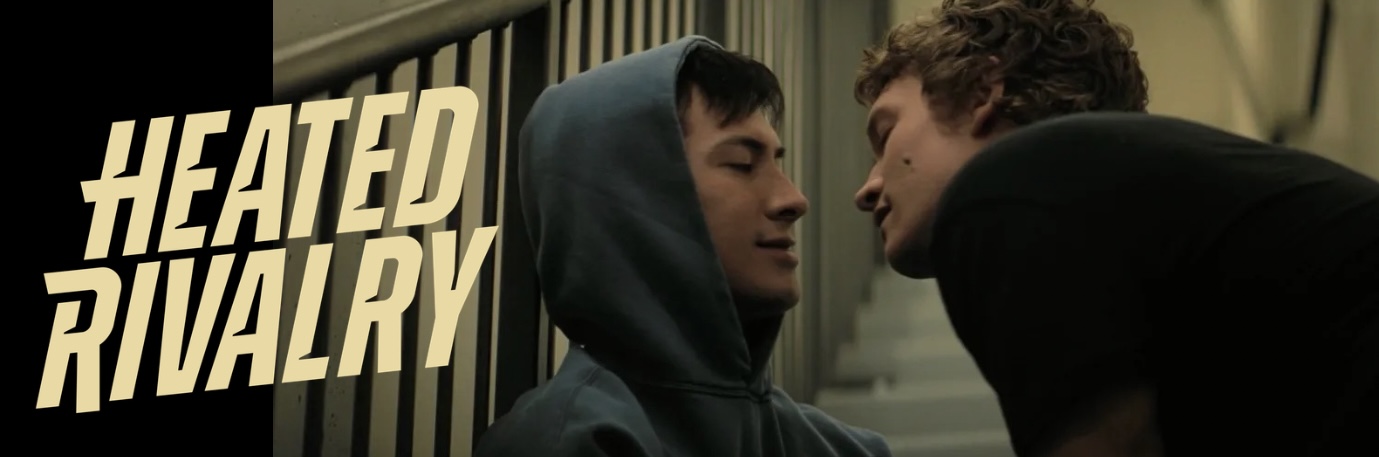
In just 6 episodes Heated Rivalry, based off Rachel Reid’s Game Changers book series and adapted and directed by Jacob Tierney, tracks a nearly decade long situationship turned epic love story between two rival professional hockey players during the height of their careers. Main characters Shane Hollander (Hudson Williams) and Ilya Rozanov (Connor Storrie) are carrying the pressure of being regarded as generational talent on the ice and role models in the public eye. Shane holds the added responsibility of being a model minority as an Asian Canadian, managing various brand contracts from a young age, and the challenges of navigating a neurotypical world as a character with autistic traits which is implied though not explicitly stated in the show. Ilya is meant to be the representative of his home country of Russia while also being the bread winner for his family who have deep ties with the government as both his father and brother are police officers. Ilya’s father also suffers from dementia, adding another layer of pressure upon his performance along with the stress of being physically separated from family.
Being closeted and existing in the spotlight within these Saturnian homophobic institutions propping up a narrow view of masculinity is the dramatic tension that drives Heated Rivalry without at all derailing the Neptunian love stories we see not just between Shane and Ilya but also their fellow player Scott Hunter (François Arnaud) and his love interest Kip Grady (Robbie Graham-Kuntz).
The show has been a bit dismissively called smut, as there are a lot of sex scenes, but this is quite a shallow take that also reveals how uncomfortable or unfamiliar many audiences still are with seeing sex and intimacy between men on the screen. While wide spectrums of heterosexual sex—including sexualized violence—are commonplace in media, hot consensual gay sex that has significant meaning to both character and relational development may widen the comfort zone of some and completely unnerve others. This is part of the reason why I believe the response to this series has been so intense for people. It really is bringing the Aries heat, even the first sound we hear in episode 1 is the strike of a lighter.
Whether the show makes you believe in love again, makes you feel seen (or even experience healing) in regards to your own experience with toxic masculinity or homophobia, or inspires you to work out so you can aggressively court your crush who is also your supposed arch enemy, it will most likely make some kind of impact no matter who you are.
***
If you haven’t already streamed the shows, I suggest doing so before reading the rest unless you are ok being spoiled. Heated Rivalry in particular is only a little over 4 1/2 hours of your time and especially worth the watch without being spoiled first. Just bookmark this because I promise you will be hyped to read the rest after watching.
The Aries archetype is a dominate landscape of both Heated Rivalry & Pluribus each in their own right. One of the qualities of Aries that they share in quite a unique and interesting way is hunger. Hunger as it relates to survival and our primal instincts.
Relational Deprivation & Satiation
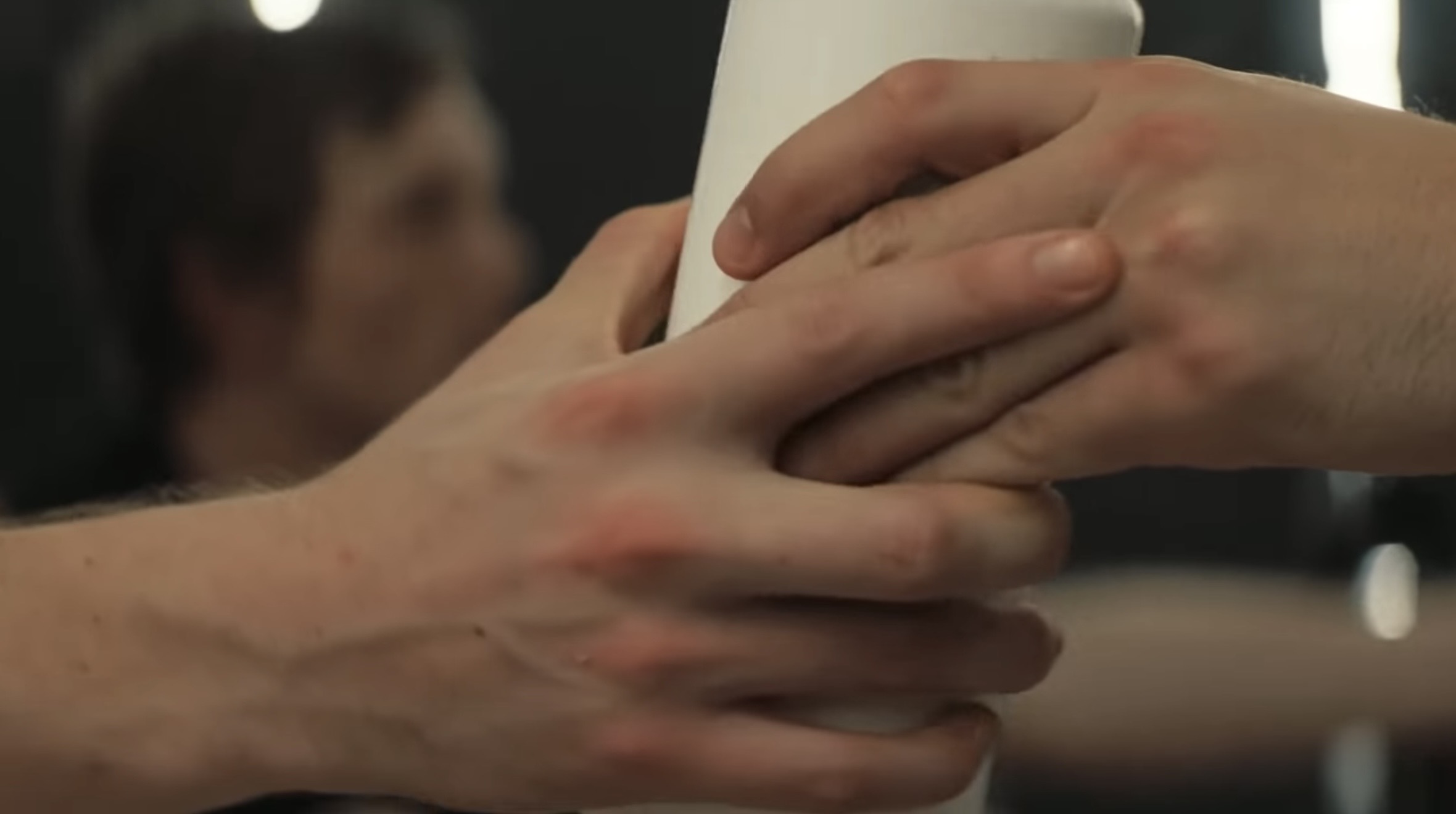
In Heated Rivalry, the hunger is a sexual and emotional one provoked by institutionalized repression, policed masculinity, hiding as survival, and touch starvation. Shane, Ilya, and Scott are fully aware that publicly sharing affection with other men could have them labeled that which will ruin their careers and potentially their lives. The demand upon them to erase the primal (Aries) part of who they are explains the palpable weight and heat within the touch exchanged between Shane and Ilya in the first episode as they pass a water bottle between them. We are purposefully set up to feel the intensity and risk of that touch through the specific use of POV shots and the talent both actors have in conveying the internal world of their characters without speaking, which is exactly what makes the show so compelling as it progresses.
The demand to repress, or at least hide the sexual part of themselves from view, similarly impacts the relationship between Scott and Kip. The stress this level of constriction (Saturn) generates on a somatic level dramatically shows up when Scott attempts to go out in public with Kip to purchase a piece of artwork. This highly successful and strong leader carries his hands in his pockets, walks slouched over in sun glasses and a hat. He is hyper vigilant, disturbed and jumping at every noise and person who passes by. The loving and warm character we know Scott to be becomes frightened, agitated, and on the verge of a panic attack. He ends up back home pacing and out of breath, defeated and crumpling in front of Kip.
Scott: I’m really sorry, I thought I could do that. I really thought I could, I wanted to I just..
Kip: It’s ok.
Scott: No it’s not, I know it’s not.
Deprivation is a principle of Saturn as this planet teaches us that life and death are two sides of the same coin. We must be willing to make disciplined choices as constraint brings the balance needed to actually ground our infinite Neptunian ideas and visions.
When we fail to choose our containment, Saturn provides it for us, often in harsh ways that feel like deprivation, starvation, suppression, and separation.
Because the protagonists in Heated Rivalry have felt obligated to assimilate within a homophobic institution so they can pursue the sport they love, there is a Saturn price to be paid through relational and/or sexual deprivation. Relational deprivation in that these characters are never able to share their full honest selves with their teammates or families. They live double lives and also struggle to sustain the emotional side of romantic relationship because of their need to stay hidden. Sexual deprivation in that the discretion they require makes it difficult to access potential partners, let alone find anyone willing to go back in the closet for them. For Shane, Ilya is his first, and implied only, gay sexual partner over a decade and they sometimes went years at a time waiting for the opportunity to actually have sex.
The element of time in this show really exaggerates the weighted, burdening feeling that Saturn can create through its withholding. It powerfully sheds light on a part of the queer experience that can feel demoralizing in how isolating on all levels it can be for those who go through it. While Saturn speaks to isolation, Neptune is more about the experience of longing which I will get into further in this article. I just want to note that too often audiences can glamorize longing without acknowledging the Saturn impact that is equally present. The show takes place between 2008-2017, beginning when the main characters are still teenagers which places them in the millennial generation who were born into or just after the Pluto Saturn conjunction through Libra and Scorpio that coincided with the HIV/AIDS crisis.2

Stigma and shame around homosexuality prevailed during this time even with, and partially as result of, an amplification of visibility, awareness, and calls for tolerance. As a queer millennial myself holding these generational signatures in my own chart, I found it interesting to see so many older LGBTQ+ folks making videos about their experience watching the show and how cathartic and therapeutic it felt.
There is something about the story being set at this particular time period that also adds a sense of nostalgia through the music and various other references which adds to the catharsis. Millennials are just beginning to go through their Pluto square Pluto transit so something about this feels right on time in terms of bringing a generation back to excavate some core wounding in order to return them to a greater embodied power. Clearly it’s not just this generation who are so impacted by the show but the correlations are certainly fascinating to see.
Neptune is a planet that can bring healing and Heated Rivalry does a very good job of returning the audience back to emotional stabilization through the attunement characters share in more realistic and vulnerable ways during moments when we might be bracing for the worst. This includes the way that healing occurs through sex—which feels aligned with Neptune being in Mars ruled Aries—as boundaries (Saturn) begin to break down over time, creating room for the characters to show up more wholly themselves in their relationships. It is like the hunger is finally satiated through the combination of physical intimacy and emotional repair we get to witness between the main characters, their families, and within community.
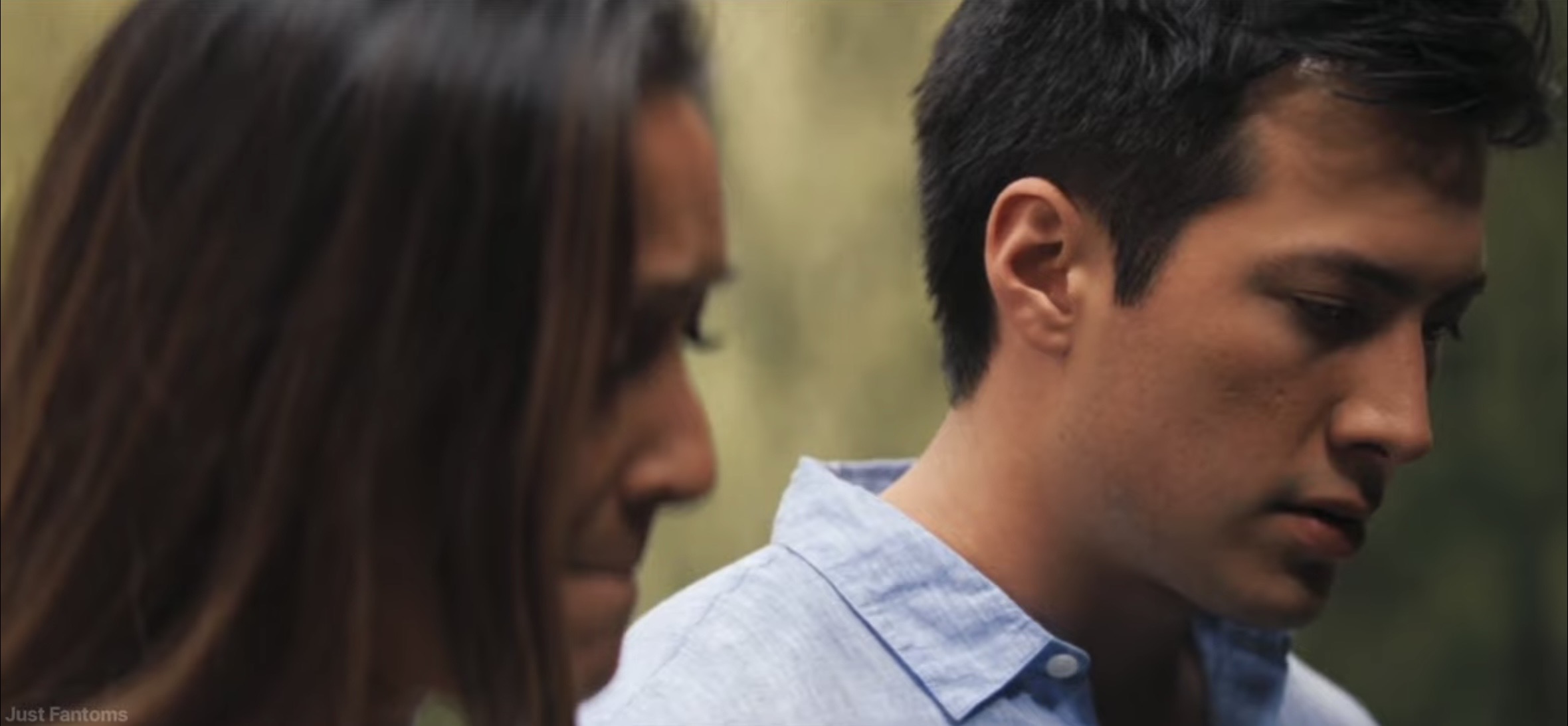
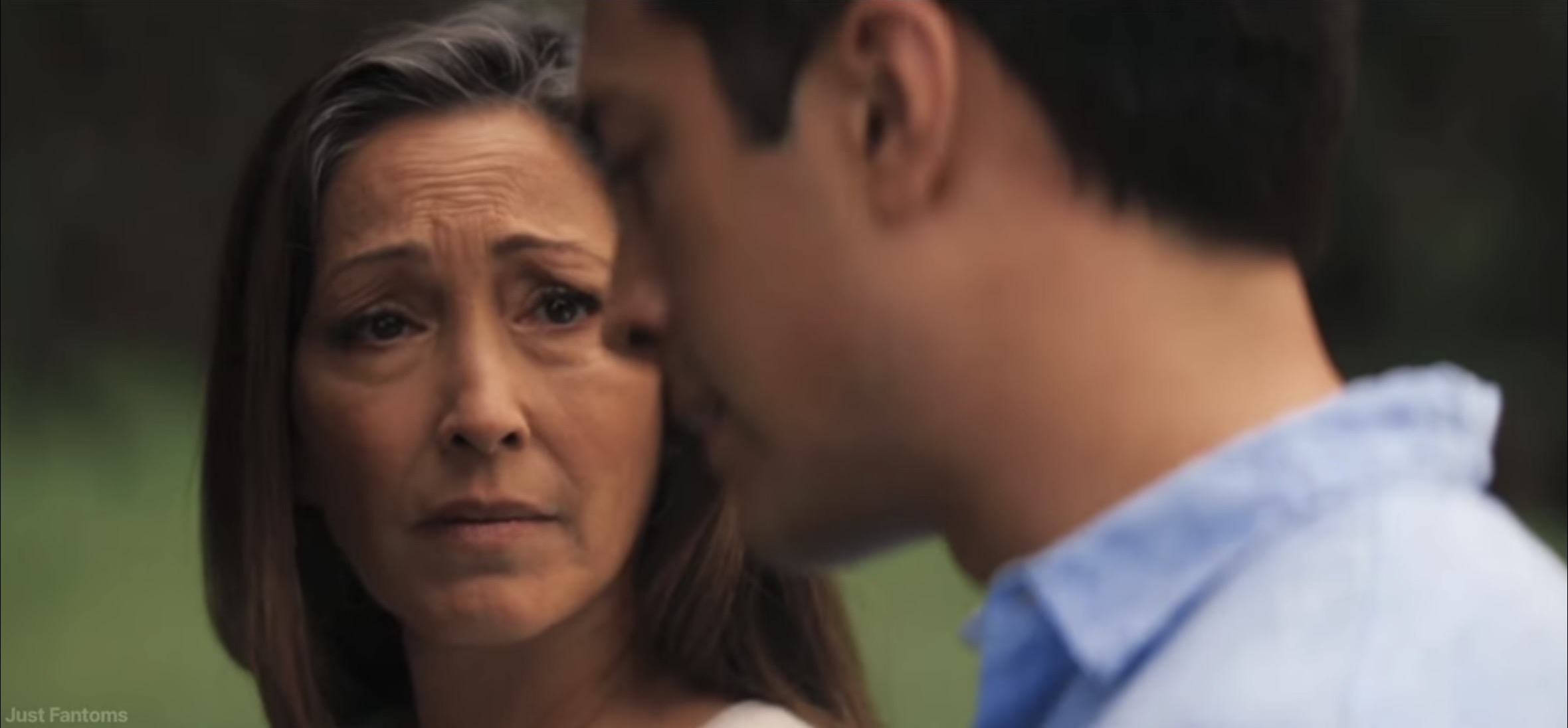
There is always an opportunity for empathy and forgiveness with Neptune as well which really shines in the scene shared between Shane and his mom, Yuna (Christina Chang), after he comes out. Shane, still carrying the burden of shame, tells his mom, “ I need you to know that I did really try. I tried really hard but I just can’t help it and I’m sorry.” We can see her come into full awareness of the weight of that as she replies, “Oh no, you have nothing, nothing to apologize for. Look at me. I’m sorry that I made you feel like you couldn’t tell me. I am so so proud of you ok? Please forgive me.” This few minutes of screen time has for certain been a balm for many with coming out experiences that looked much different than this, and a loving example of what is possible.
Queer joy isn’t about “fixing” every system and idea in the world that oppresses us, it’s about finding home within ourselves and with others who make it clear that we are whole and loved. It is in recovering the ability to take a full breath, the freedom of a relaxed body, and the release of burden from other people’s unconscious wounds that desperately seek safety by controlling how others experience and feel about themselves.
Kronos vs. Neptune
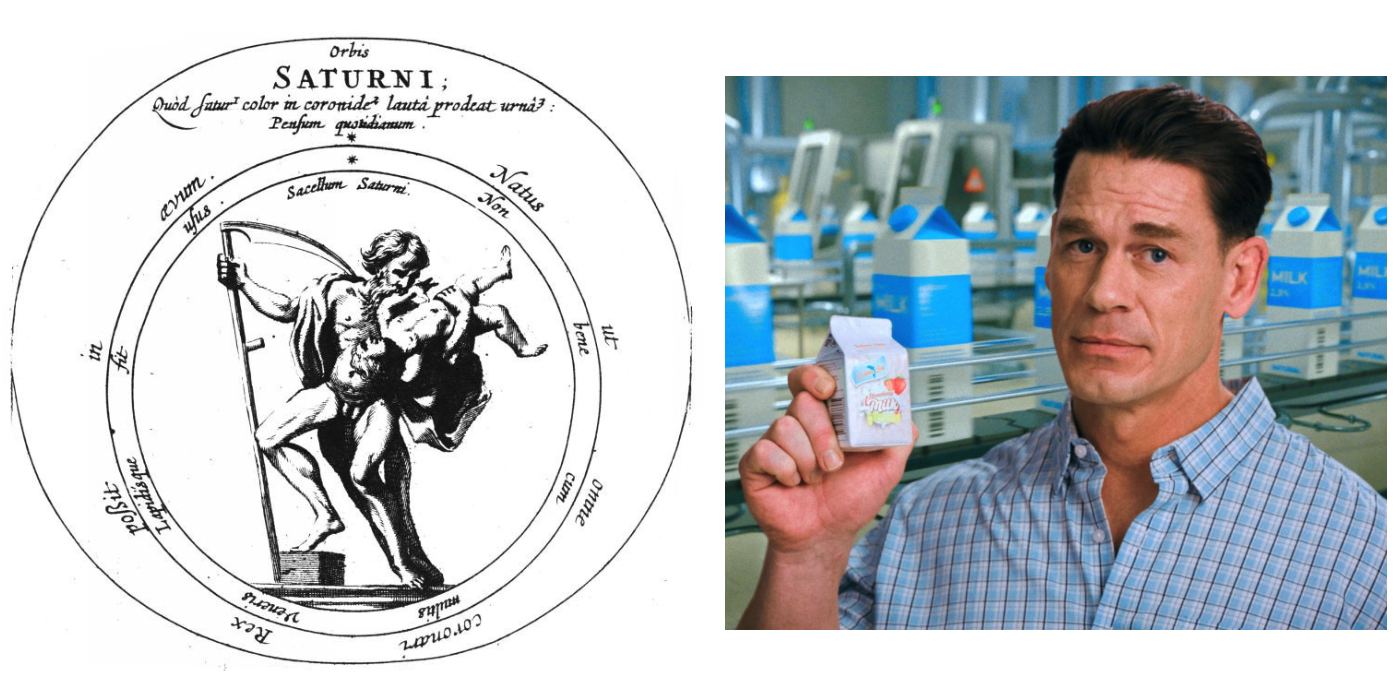
Transitioning into a more sinister exploration of these energies, let’s get into Pluribus and its connection with the signification of Saturn that correlates with starvation and death. In the myth of Saturn/Kronos, God of time, when rulership over Saturn’s domain is threatened he devours his own children so they cannot overtake him. This mythological theme appears in Pluribus when the joined, who we can conceptualize as representing the Neptune archetype, threaten Saturn’s realm of the material and individuated world.
As an unsettling and gruesome consequence of their compassionate invasion, which impels them to not kill any living being or even pick an apple off a tree (hello Garden of Eden), they are forced to eat the dead in order to survive. Bodies are processed down with a variety of other nutrients to create a uniform “milk” like substance that all the joined drink. This rather disturbing solution is apparently still not enough to stop the joined from starving after a mere decade.
Choosing former pro wrestler John Cena (playing himself but now as one of the joined), to deliver the news to Carol about the milk via detailed infomercial on Human Derived Protein, is actually such a wildly accurate and hilarious portrayal of Saturn in Aries. Somebody must have known…did they really do this on purpose?
Saturn and Neptune time periods can feel incredibly absurd, surreal, fantastical, confusing, and like the whole world is suddenly a distorted mirror where it’s impossible to understand what is real. And, in Aries, it is immediate, tied to our survival instincts and where we choose to exert our individual energy.
Part of this unreality feeling comes from just how completely opposite the qualities of each planet are to the other. To try and bring the unifying and unboundaried nature of Neptune into our tangible world can be quite disorienting and odd. It might seem like a splendid thing to suddenly have no conflict, violence, or discrimination as we see occur in Pluribus after the joining and, yet, what remains in the aftermath feels so eerie because undifferentiation is not the purpose of earth school or Saturn’s realm.
This show brings so many interesting insights to the full spectrum nature of both Neptune and Saturn in all their expressions from shadow to light. We are given one view of what a unified world could look like but this utopia falls apart right at the start as we know that it was unconsensually forced upon the entire world.
What is the moral value of unity if no one agreed to it?
Neptune is the planet of unity consciousness while also that of deception and illusions. This show really helps expose the slippery side of Neptune’s shadows or unconscious expression where we forget what compassion and unity actually mean and end up impeeding upon one another’s free will.
Neptune & Saturn Full Circle
An evolved or conscious Neptune archetype understands that actual unity requires no force whatsoever. It knows that all of the infinite diverse expressions of consciousness on this planet can and do exist fully within it. Unity consciousnesses is a dimension we access within, not something to be physically forced upon others like we see unfold in Pluribus. This is most palatably felt when Carol realizes that the joined have stolen her frozen embryos and are rapidly working on a way to make it possible to force Carol to join them. She tells Zosia (Karolina Wydra), a vessel of the joined who she has formed an intimate bond with, “If you loved me, you wouldn’t do this.” Zosia replies, “Carol, please understand we have to do this because we love you.”
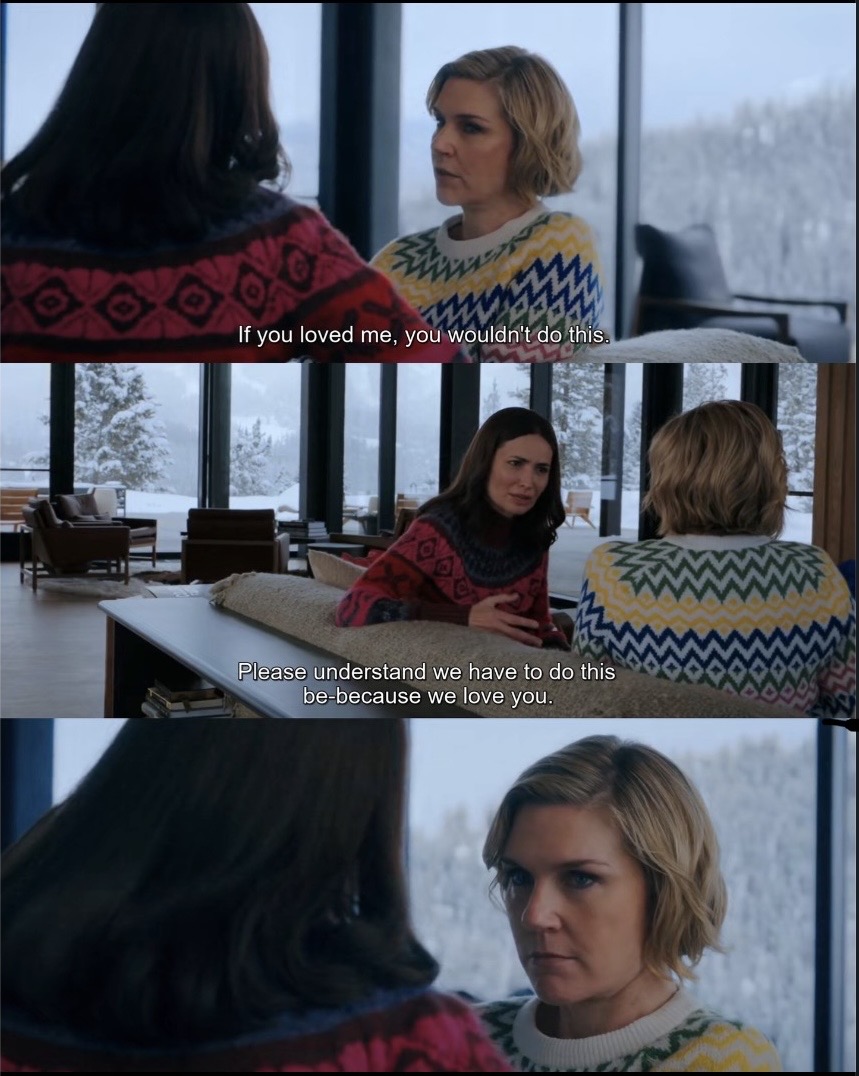
The virus that transformed everyone into a hive mind or one collective consciousness has also given them a biological imperative to spread this “gift,” not just across earth but into the entire universe. They see it as the most loving and necessary thing to do. The authoritative quality of this imperative, combined with its loving intentions, clearly expresses the combination of Saturn, force, with Neptune, agape/divine love. It is quite connected with how fundamentalist and extremist religions function, which also happen to be a signification of Saturn with Neptune.
Extremes around faith are really heightened during Saturn Neptune time periods and while there may be a rise in fundamentalism, cults, and evangelism, there can equally be an upswing in atheism and the disavowment of divinity and magic all together. This fervent rejection of the joined is really seen through Manousos’ character who embodies an extreme of Saturn from the very first moment we are introduced.
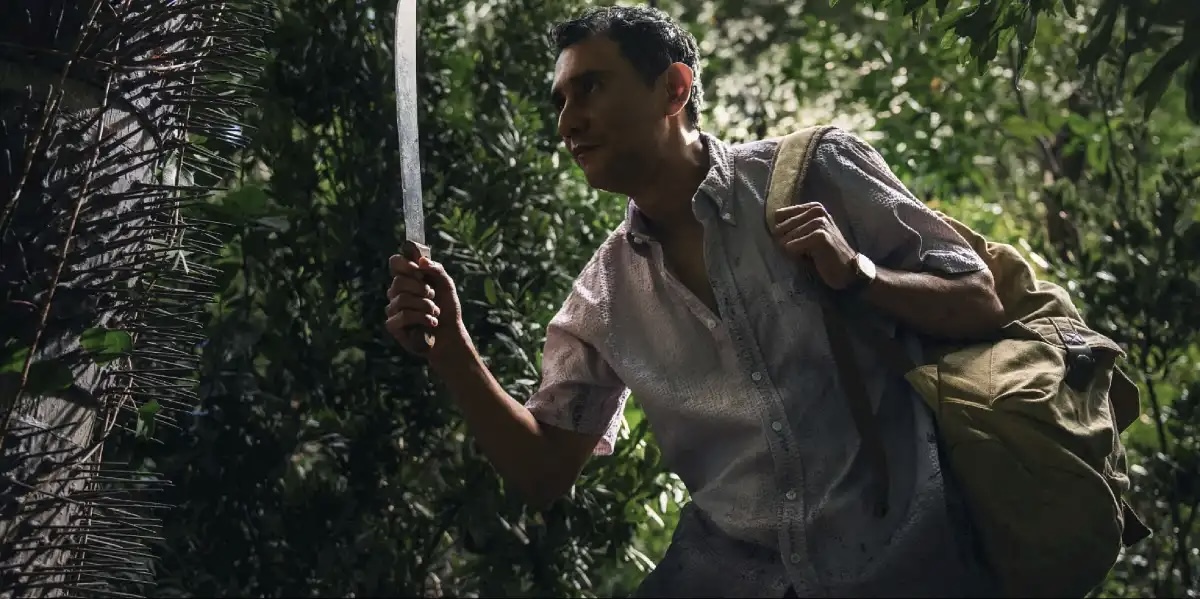
Manousos Oviedo (Carlos Manuel Vesga) is one of the 13 who are for some reason immune to the virus. When we encounter him, he is so isolated and anti-social that the joined don’t even discover him in the office of his self-storage facility in Asunción Paraguay for a few days. This is actually pretty shocking since it implies that no one in humanity recently came across him meaningfully enough to wonder where he was. He is incredibly distrustful of everything happening to the point that he chooses starvation and eating old cans of dog food over accepting any food that is left for him.
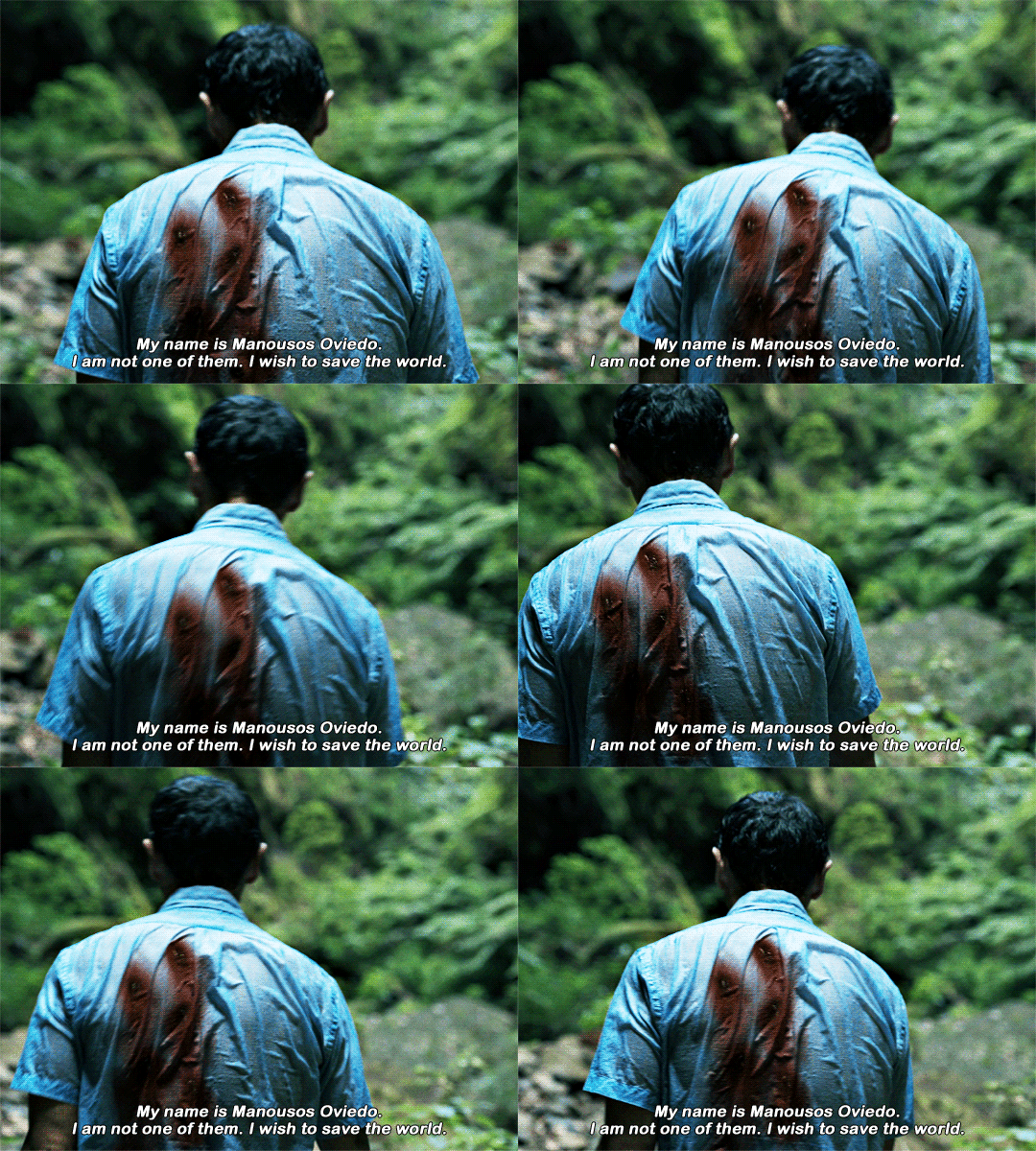
The entire journey of Manousos is forged though a level of rigidity, stubbornness, and devotion to order that is quite unmatched. We see him leaving money on the windshields of cars he siphons gas from and demands to know how much he owes the hospital when he is taken unconsciously by the joined, who save his life after being impaled on a chunga palm tree while crossing the Darién Gap on his way to meet Carol and restore humanity. The image of this is reminiscent of a fakir lying on a bed of nails, intentionally choosing to endure the material suffering of Saturn in order to achieve enlightenment, which again brings us right back to Neptune.
These two polarizing archetypes almost create a circle where traveling to the extreme in one direction somehow leads you back to the other. In Aries, this is The Real and The Ideal fighting an endless war for our survival.
When Saturn and Neptune meet, anything we thought unchangeable, solid, and lasting about our world that has become too calcified, disintegrates. Because, isn’t it just as crazy to have a biological imperative of harm reduction to the point of not being able to pick an apple from a tree, as it is to structure a society where starvation exists even though roughly a billion meals worldwide go to waste every single day?3
Neptune and Saturn are both capable of being destroyers. In this sense, they have a lot to learn and gain from one another in order to produce a more rational equilibrium.
Have you ever tried fighting a wave or swimming against a strong current only to realize you were being pulled further out to sea? This is Neptune at work.
Neptune, Manipulation, & Being “fake”
It can be tricky to grasp why and how Neptune engulfs our experience and subtly influences us. Pluribus offers a variety of examples that capture the elusive nature of this planet through the behaviors of the joined.
When humanity becomes one consciousness, aside from the 13 who remain unchanged, there are immediate attempts to pull each of the immune into the fold using quite manipulative tactics. In the very first episode we see Zosia summoned (without words as no one needs them to communicate anymore) to become an object of desire for Carol. She pilots a plane to the United States, undresses in the airport and gets into a shower where others from the hive are preparing her costume, including a wig to make her appear like the love interest from Carol’s books but as a woman.
The joined always say that they just want the 13 to be happy. That they are only interested in pleasing them. With Neptune, it can be quite confusing to understand what is genuine or real. It is an energy that can come off as “fake” at times but that’s only because nothing is ever “real” with Neptune. Everything solid has some way through, a way to dissolve it into meaninglessness, or into profound awakening.
Joseph Campbell’s words, “The psychotic drowns in the same waters in which the mystic swims with delight” are always my favorite to associate with this planet. Sometimes we might not even comprehend that we have been drowning for months when we thought we were swimming. Neptune is not malicious in nature (at least in my opinion), it just doesn’t have any way to see material reality without its lens of undifferentiation. This is not something humans can grasp without fully losing themselves, at least for a little while. And, it’s not exactly the most useful energy if we are committed to a grounded and linear way of experiencing material success within the structures that others have created on earth.
Neutralizing Beauty, Life without Contrast & Value
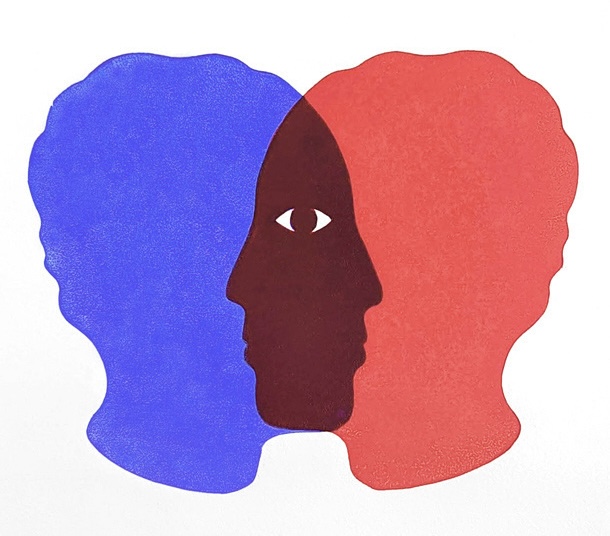
There is a quite comical interaction between Carol and one of the joined where she asks if they—the collective consciousness of all humanity—like her books. Larry (Jeff Hiller), the individual and vessel of the collective she is speaking with, tells her “Oh, we love your books.” She is quite skeptical and asks for details on what they love about them and how they compare with Shakespeare. They reply that her books are “equally wonderful,” only eventually adding the context that they experience her work through “many eyes, many hearts.” Larry emphasizes how much joy her books brought to the individuals who liked them and claims this is why they see the writing and her with such love. This statement feels rather hollow however because the joined no longer conceptualize value or love through the same limitations an individual human typically would. Carol presses again, asking if her partner Helen, who died as result of the joining but not before her consciousness linked up with the hive, liked her books. They are hesitant to reply but eventually confess she thought they were “cotton candy” and that her unpublished passion project was “meh.”
Here the logic of Neptune in its undifferentiated way of sense making meets the singled out individual perspective. It’s not that the joined lie about loving her work, they now only know the world from the reality of oneness where nothing is more or less valuable than anything else. This is what our Saturn figure Manousos so pointedly critiques by claiming, “isn’t it evil to value a man the same as an ant?”
We witness an almost neutralization around beauty all together in Pluribus. With the over-emphasis of Neptune and lack of Saturn to create contrast and value, the joined no longer seem to have any appreciation of art or beauty. Their objective becomes Saturnian and utilitarian, focusing all efforts on creating sustainable and peaceful ways to co-exist without harm on the planet.
What is life without deep appreciation and transformation through beauty and art, though? And how paradoxical to recognize that we need differentiation and structure in order to experience it.
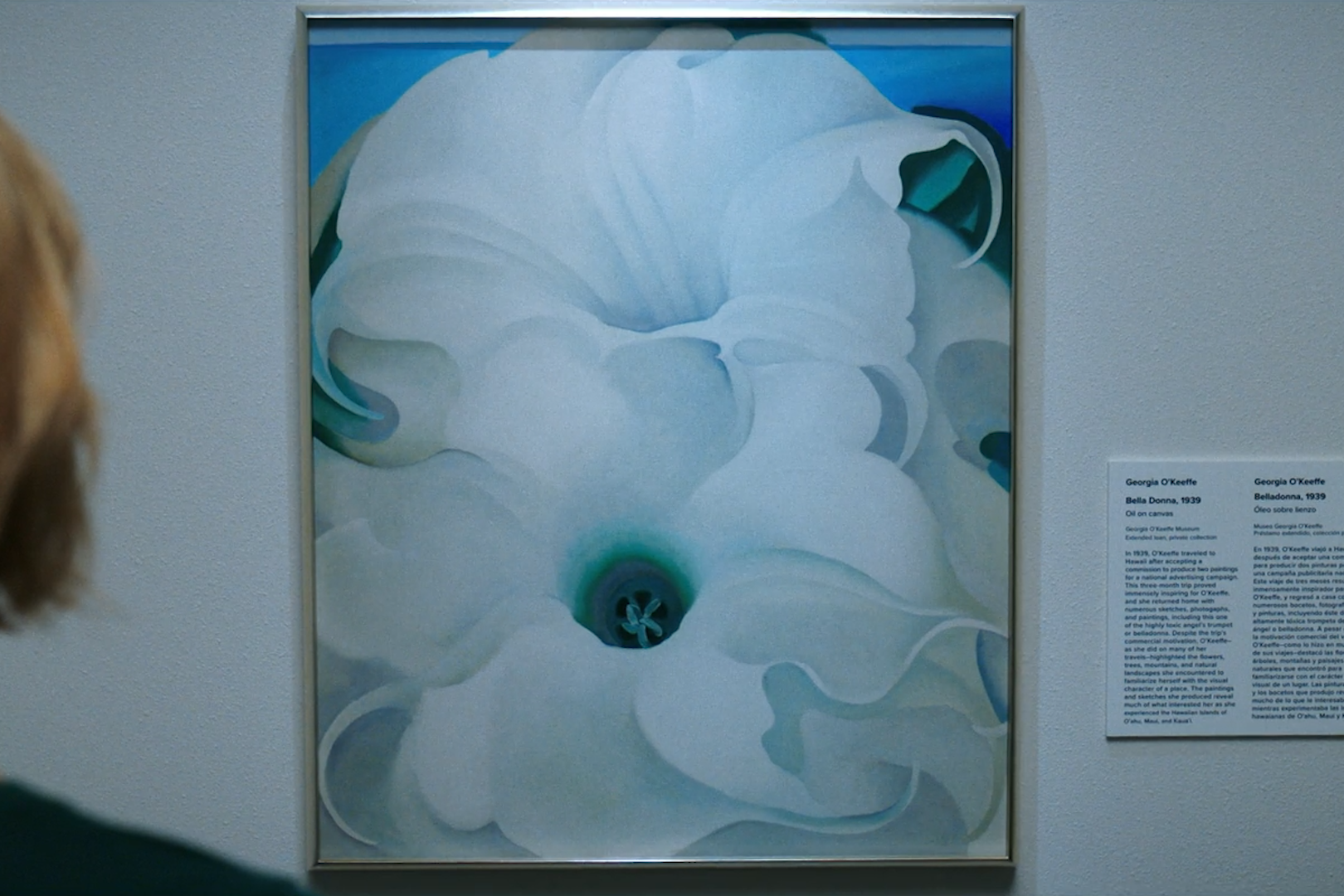
Neptune could never put anything above or below anything else. The collective hive claim no ownership and their love is uniformly unconditional, something which really confuses Carol as she cannot accept that Zosia could love Manousos in the same way that “she” loves her.
Trying to get a straight answer out of Neptune is tricky as well. It will quickly find a way to escape, evade, or confuse, as we see happen when Carol takes extreme action to uncover if there is a cure for the virus by giving a truth serum to Zosia. After this drastic encounter, where she is unable to extract an answer, we see a more Saturnian response from the joined who are so shaken from her behavior that the entire population of Carol’s city is vacated, leaving her in complete isolation.
While the joined are a really great way to understand Neptune, they also show contradictions to this archetype which honestly makes sense because it’s not possible for Neptune to be purely itself and physically embodied in Saturn’s realm. As was revealed above, without Saturn we would not be able to experience Neptune. We only get to feel the divine essence moving through us, the delight of our creative imagination, the bliss of momentary escape of physicality, and the higher truth of oneness, because we have a body to sense Neptune.
Any evidence and story of Neptune in our physical reality will always include Saturn.
Even the ascended masters like the Christ figure are examples of becoming the bridge between spirit (Neptune) and matter (Saturn). They hold both archetypes in perfect unity without contradiction or resistance. Learning from their example on how to find this harmony between opposites by entering into and living this paradox is a benchmark of most esoteric and religious teachings.
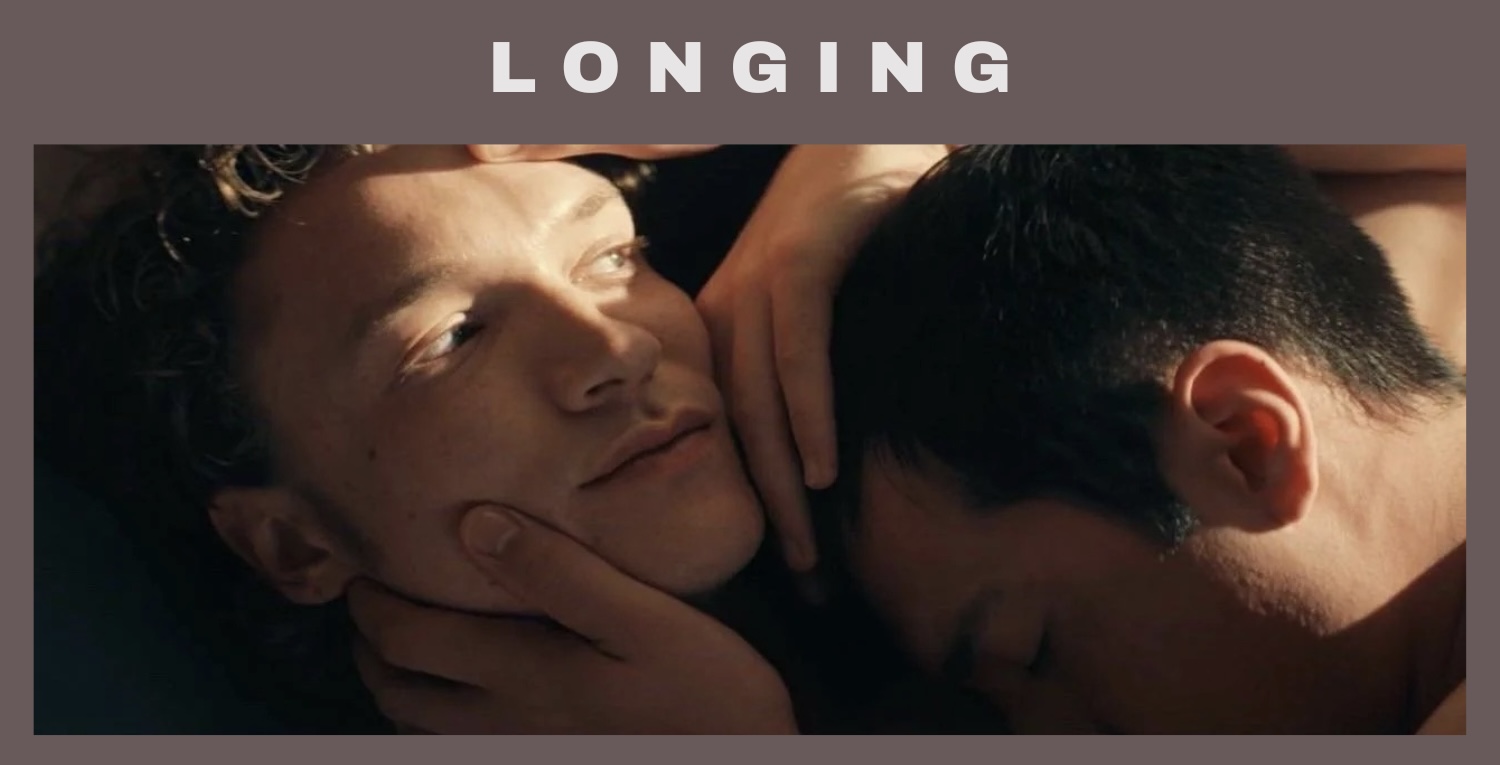
Isolation and seclusion can create safety but not without paying for it with longing.
The Purpose of Longing
Longing is such a human experience, though I do believe that LGBTQ+ people possess a unique familiarity with it. When the structures of desire exclude, ostracize, or punish you, longing becomes a steadfast companion.
The timeline in Heated Rivalry felt like a gut punch. To see title cards of the passing years appear over and over in each episode really struck that familiar nerve in my being. Why is longing so beautiful and so destructive? Maybe it is partially knowing that some things (or people) are worth longing for regardless of the pain and challenge. That our longing is holy, that destruction can also bring regeneration and shape our destiny by inspiring action. And, if we are wiling to follow through, it will absolutely change our lives regardless if we are ever united with our desire.

This is of course true in Heated Rivalry and we get the pay off so sweetly delivered in the final episode. Shane asks Ilya, “Does it fucking kill you too?” after both of them have just openly confessed that they love one another for the first time. IIya responds, “Not anymore.” This moment was such an antidote to the brutal ending of episode 2 where Shane types “we didn’t even kiss” as a text to Ilya and then erases it, along with the whole nine years of longing we’ve just been witnessed to.
Beyond the immense satisfaction of receiving what it is we long for, I also believe it is longing that can return us to our infinite divine nature. When someone has awakened us to the cosmic memory of what home truly feels like in our own being, there is a magic and safety that transcends this life. We may devotedly long for the feeling of home they have gifted us, as the longing itself brings us closer to our boundless soul and an unconditionally loving source consciousness. Longing is a function of Neptune just as much as Neptune is the higher truth that we are never separate from that which we long for.
Romantic love (or any truly intimate connection) and the mirror that the other offers us, is one path of awakening into the paradox of bridging separation/matter (Saturn) and unity/spirit (Neptune) that we can commit ourselves to. This is why love stories that deeply enter in to the internal world and nuances of relationship are so essential for our evolution. Especially when the love exists outside of a conditioned logical timeline that feels forced and even calculated in service of patriarchy where there are certain goals to be met, versus an unfolding of self in attempt to receive the other.
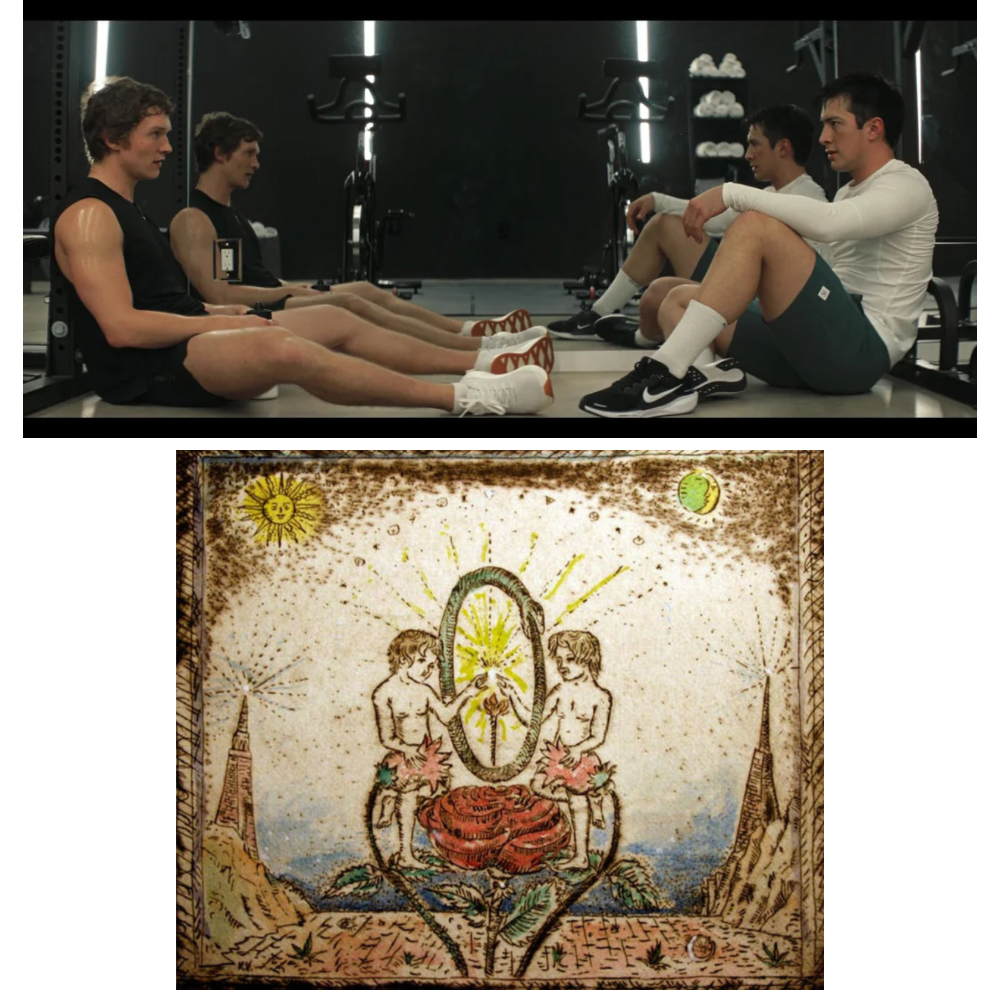
Heated Rivalry gives the audience a direct invitation to this unfolding which is primarily somatic. The sexual communication between Shane and Ilya tells its own developmental story in the show before the two are able to speak honestly about their relationship. There is a love of the chase with Mars ruled Aries energy and the dynamic of Saturn and Neptune in this sign can be described as the erotic dance of moving towards and away from the other.
When years of casual hooking up and fumbled sexting eventually opens up space for something emotionally new between them, Shane panics and runs. He clearly hits a limit that has to be uncovered within self before progressing forward. We eventually learn that this resistance and No was reflecting Shane’s need to fully understand himself as gay versus bisexual, which is Ilya’s sexual identity.
Queer and trans love stories have so much to offer the collective as a whole because of their natural orientation to self discovery and ability to create worlds outside of what is linear and expected.
Love has just as much, if not more, to do with our relationship to ourselves as it does with the other4 and I think this is a big part of why Heated Rivalry fans have been so jolted back to life by this story. It is the reminder that love and passion of all kinds are always timeless, always disinterested in our perceived limitations, and always available if we are willing to be bravely cracked open by our longing. If these ideas stir something up for you, I have a more personal piece all about longing that you can check out here: Queer Longing & Courting the Divine.
Death, the End of Longing
In Pluribus, the resolution of longing occurs for Kusimayu (Darinka Arones), a Peruvian teenager who is immune, via her choice to become one with the joined. Kusimayu longs to be part of the collective after her family and community all become part of the hive. In the final episode she gets her wish as the joined have been able to create a remedy for her immunity to the virus. Her transition is documented in a scene that is arguably the most impactful or revelatory of the whole series.
Kusimayu is part of a highly interconnected rural Peruvian culture. We are meant to really understand this as an audience through the ceremony that takes place where the whole village shows up to support her transition with ritual song and chanting. Before her change, Kusimayu is shown sweetly tending to her baby goat while waiting for the ceremony. Her aunt and cousin put her worries at ease as the community gathers once the new virus has arrived.
There is a stark moment where after a time of voices singing out, Kusimayu has clearly merged with the whole and is laid down on a blanket on the ground. All singing stops. All emotion, aside from a softly content and dazed smile, disappears. All laboring in this village ends and each person goes their separate ways, including Kusimayu and her immediate family.
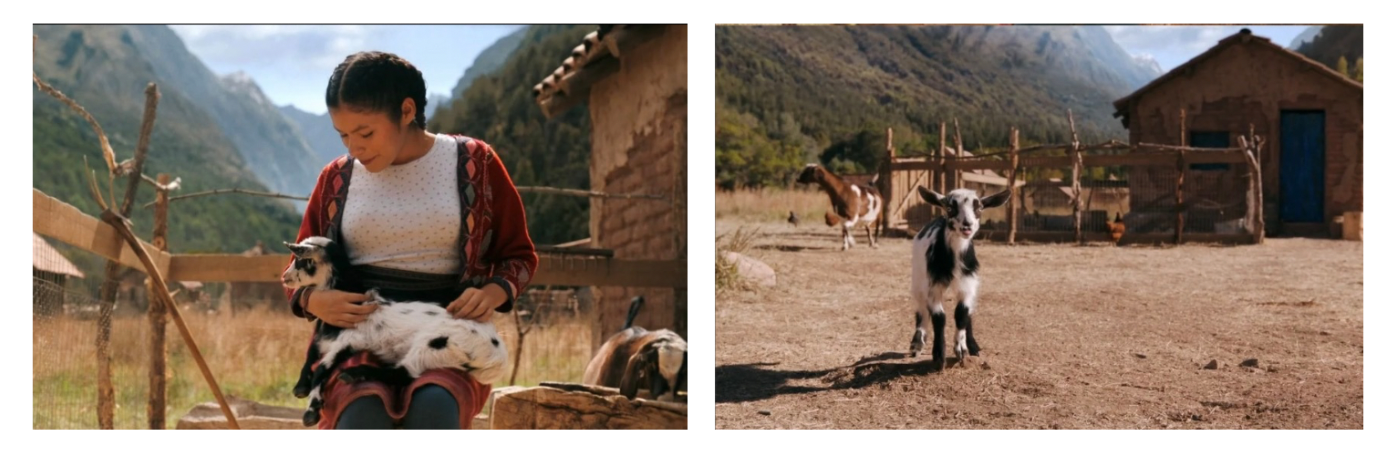
The first time I saw this it was quite chilling. It reflects back on what I said earlier about the neutralization of art and beauty. The scene demonstrates how this neutralizing influence extends even further into culture, history, and our understanding of shared community. When there is no individual, there is no need for any of this either. Kusimayu5 leaves her home and the last image we see is her little goat bleating at her as she opens its cage and walks away. This is quite a pivotal scene in the show because it gets directly at the heart of describing this invasion as a colonizing and assimilating force upon the world.
Pluribus means “many” or “from many” in Latin. This is a reference to “E Pluribus Unum,” the United States motto that means “out of many, one.” There is absolutely a critique of this axiom happening by calling attention to the sinister parts of nationalism and the colonizing act that violently forces assimilation as part of the creation and sustainment of its power. Manousos also directly points this out earlier in the series when he tells the joined, “Nothing on this planet is yours. You cannot give me anything because all that you have is stolen. You do not belong here.”
What is humanity without culture? Who are we if there is nothing to distinguish us from one another or no one to acknowledge our diversity?
When I watched the series a second time I had a different reaction to this scene which was pretty interesting. Because I knew what was coming and was specifically looking at it from a Neptunian lens this time around, it read as much more peaceful. The only reason it is so chilling to witness is because of what I have said many times already: Neptune cannot be physically embodied on this earth, only experienced and channeled through us by Saturn.
This scene actually depicts more of what it might be like to die, to return to the eternal flame that is all of source consciousness. There is a beauty in that and I can understand why they are all smiling and look anything but alone even as they walk away from one another. Every human who has this virus now knows their inherent belonging with no question. Their reality is that nothing separates them from anyone so it doesn’t matter where they go or what happens really, nothing will ever take this truth away. This is also probably why the joined do not seem to be phased by death and grief or show much acknowledgement beyond politeness around Carol’s pain as she has literally just lost her wife. Not only lost her but had to carry her dead body alone into their home and then dig the grave to burry her in.
Becoming the Saturn Neptune Archetype

Longing is always present to some degree in loss, death, and all forms of separation. When we allow longing to transmute within us through our grieving, love has a chance of being reintegrated. Carol’s longing throughout the series is much more about coping by numbing and escaping her grief through alcohol and television. We also learn that she was sent to a gay conversion camp as a youth. There is a disturbing connection made between how the joined treat her with how she was treated by the staff at Camp Freedom Falls. “They all smiled just like you,” she says.
Carol is not portrayed as a very likable character but more as an anti-hero. She is rude, entitled, rigid, often enraged, self depreciating, and clearly taking her own misery out on everyone around her long before the invasion. It is clear that there is a lifetime of repressed emotions and pain that have hardened her into this Saturn Neptune archetypal figure, reaching for the escape that alcohol addiction offers from the cruelty of reality not realizing she has become that cruelty and hardness herself.
Longing shapes who we become by prodding at our beliefs and worthiness when it comes to what we think we are deserving of or can or cannot have in this life. It will destroy us if we are not willing to change our relationship with these things. When the invasion occurs, Carol is confronted with the weight of her own self annihilating tendencies while also forced to witness the impact of her rage upon others.
Neptune is self annihilation, whether through the escapism of substances, risky behavior like calmly staring down a firework about to blow in your face, or that moment deep in meditation when you forget that you are a separate self with a body. Saturn is the harsh faceplant on concrete, the return to reality. In Aries, one way these express is in our attempt to escape our rage until it violently catches up with us.
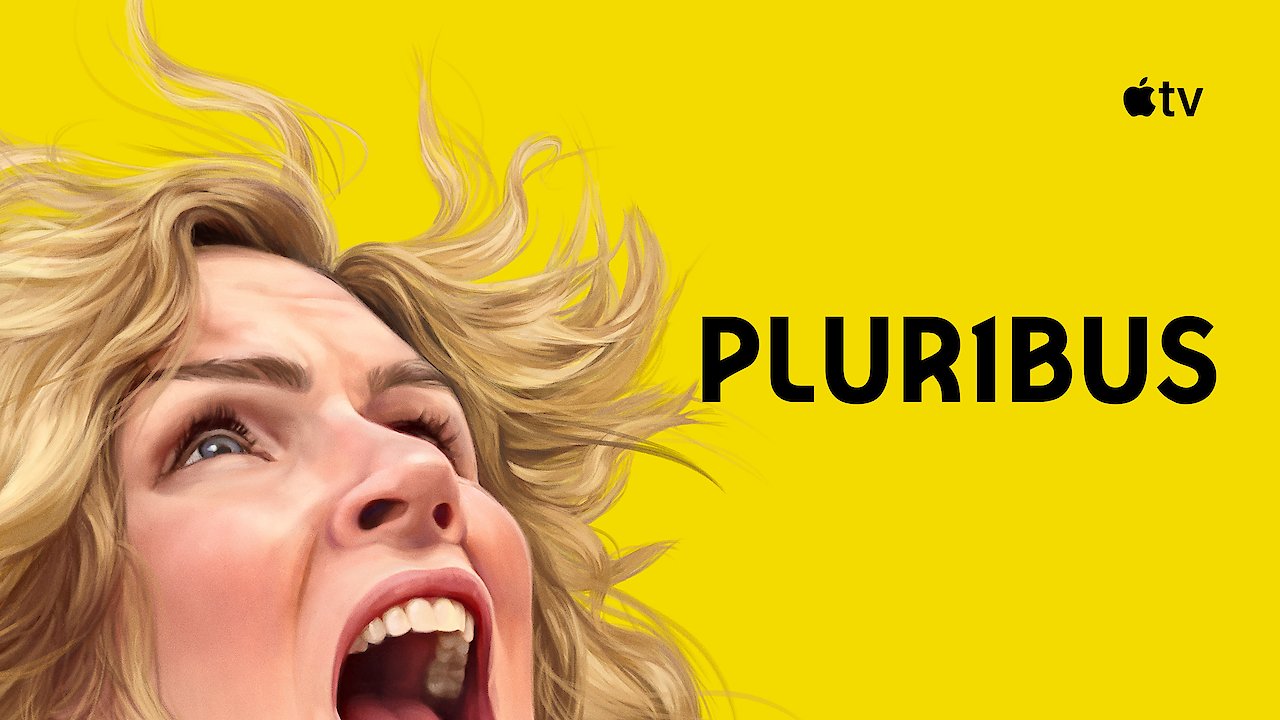
One of the main marketing images for Pluribus is simply an illustration of Carol’s face yelling up at the sky. Fairly early on in the show we see her fiery outbursts completely overpower and physically disturb the joined. These heated Aries flares of emotionally enraged screaming at the joined cause the death and harm of millions across the globe as they result in a simultaneous mass seizure like response.
If we think about this more as metaphor, separating it from the horrifying reality being presented in the show, it functions as a giant mirror to the self. Allowing ourselves to fully feel that impact gives us the undeniable quantification of just how much it costs to push down our pain so long it either kills us or everything we ever cared about as it violently forces its way out.
When we approach this from the show’s reality, it also demonstrates how the rage of someone with power—whether or not they acknowledge they have any—impacts the collective. Neptune is associated with empathy and compassion in a birth chart because it deeply sensitizes and makes us porous, able to feel into others and our environment through the lens of our inherent oneness. If you have a personal planet or angle that Neptune is aspected to, this permeability and sensitivity, which can also create difficulty with boundaries, is probably quite familiar to you.
Pluribus stretches our imagination by dramatically demonstrating this sensitization and the truth of our interconnection, inviting us to find their traces within our current perception of reality.
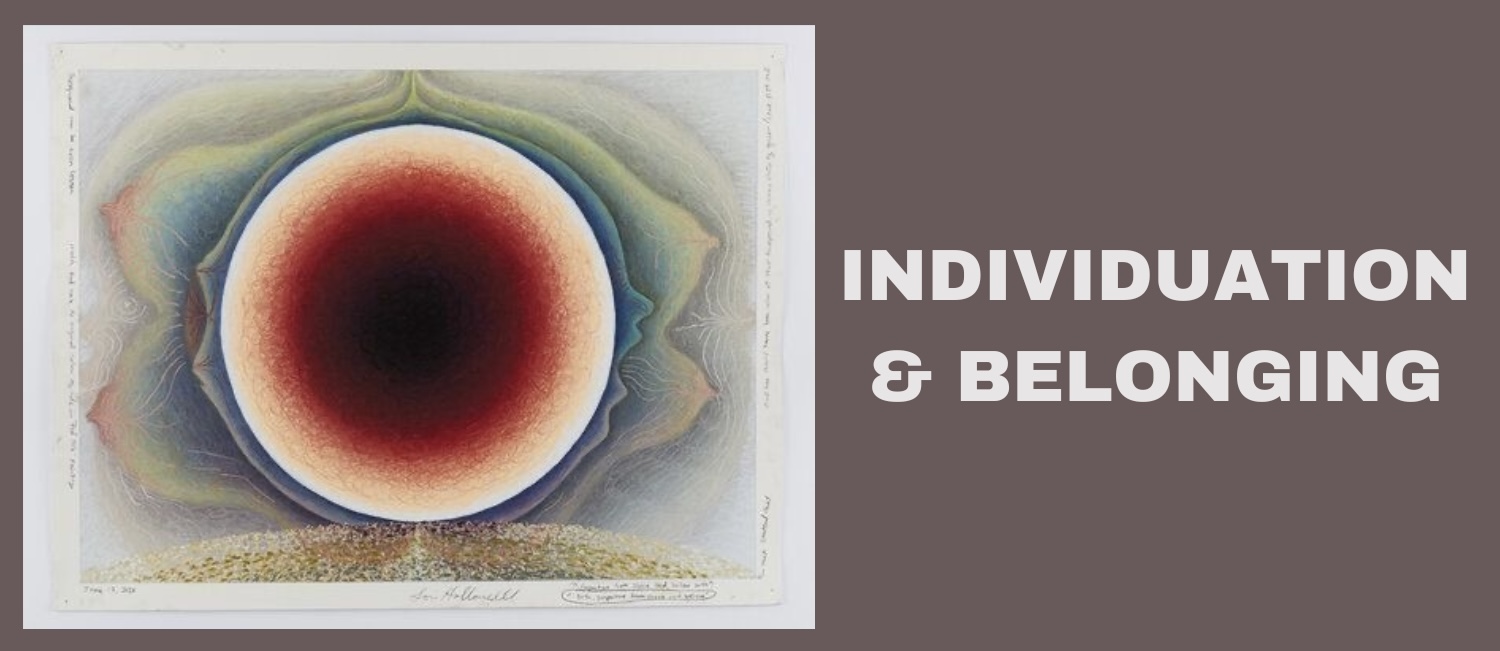
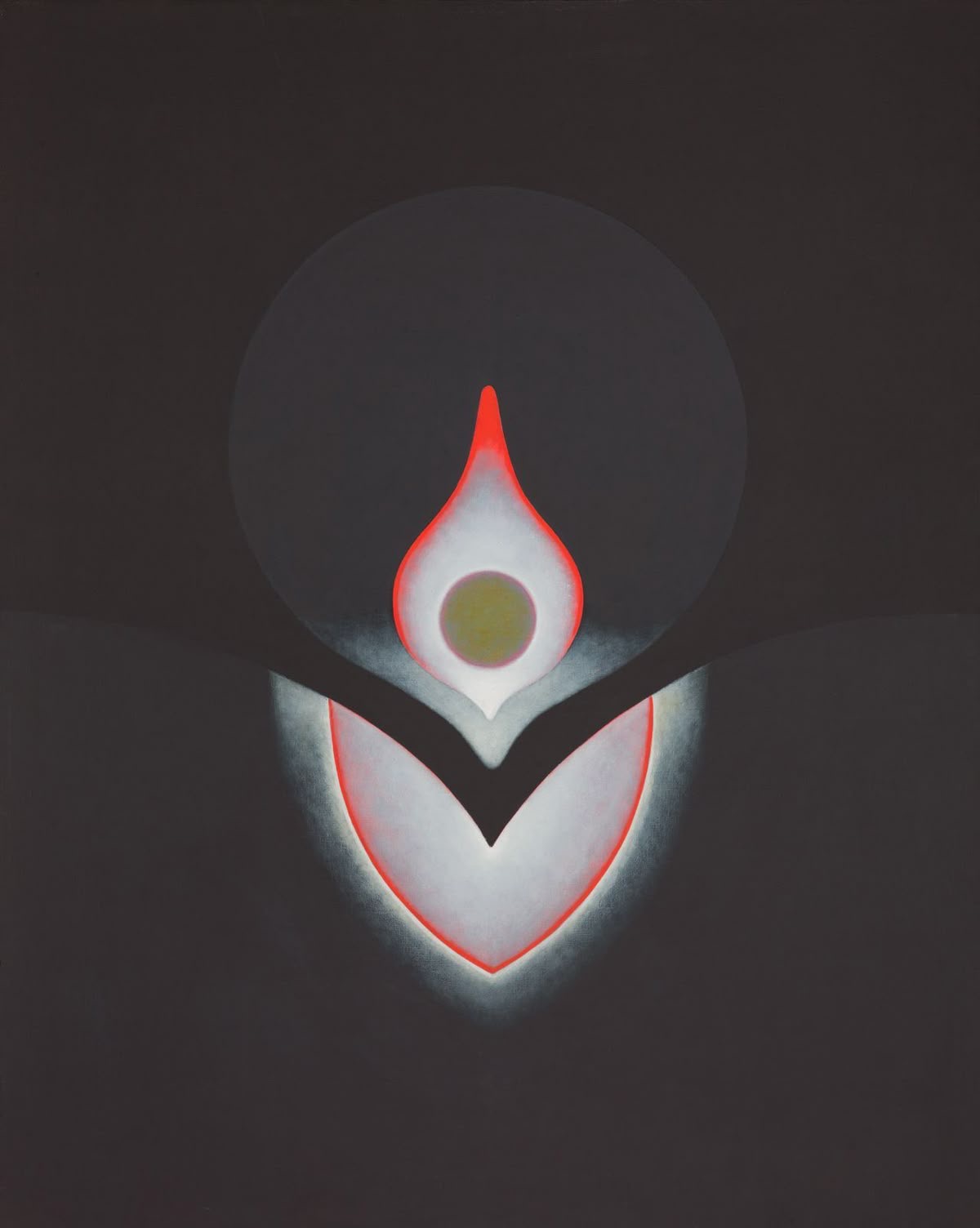
How Being Honest Shapes Reality
The main characters in both Pluribus and Heated Rivalry are all hiding their sexuality from the public. This alone creates an entire Saturn Neptune ecosystem around these characters of isolation, addiction, masking, disassociation, depression, escapism, longing, deception, suppression, and a search for belonging all within a very Aries context.
In Pluribus, that context is the world being over taken—not by a typical war like force we’d expect from Aries but in a Neptune all consuming way—provoking Carol’s repressed anger to boil over. In Heated Rivalry, the Aries setting of competitive sports and the discipline (Saturn) around athleticism, which is typically a healthy expression of Mars, is used almost as a way to disassociate (Neptune) and mask identity.
It’s actually quite easy to hide your queerness if you have a passion (Aries) for something else, whether it be writing books like Carol or being a pro hockey player like Shane, Ilya, or Scott.
Saturn in Aries can describe forced pressure from tradition (“family values”), governing bodies, and martial overreach upon free will to the point of leaving one feeling powerless or backed into a corner. The last time Saturn was in Aries (1996-99), two gay men in Texas refused to pay a fine of $125 after being arrested for having sex in their home. Their pushback ended up being the catalyst that lead to the 2003 nationwide repeal of sodomy laws via their case Lawrence v. Texas. Coercion and brute force might impel people to choose discipline as a way to avoid the cost of living authentically or offer the exact friction necessary for breaking free.
Pressure develops bravery. Saturn in Aries is where we learn how to take the heat and fight our way out from under structures and conditioning that have kept us trapped. By powerfully choosing to give up the privileges that hiding or diminishing our truth affords us, we can receive the rewards that Saturn in Aries is offering.
This rising pressure and tipping point in Heated Rivalry occurs as Scott Hunter boldly kisses Kip on the ice in front of the whole world after winning the cup. In this act, he becomes the first hockey player to come out publicly as a gay man. Aries is associated with firsts as it is the first sign of our zodiac and is a risk taking energy that inspires leadership, immediacy, and maverick behavior. The crowd witnessing this first may have experienced the news as a shock—more like the surprise of Uranus—but for Scott, and all the main characters in this show, we understand that it has actually been the process of Neptune slowly dissolving the boundaries around their hearts that has allowed them the courage to make this leap into the unknown. Even if only because who they truly are can no longer be so easily contained and compartmentalized.
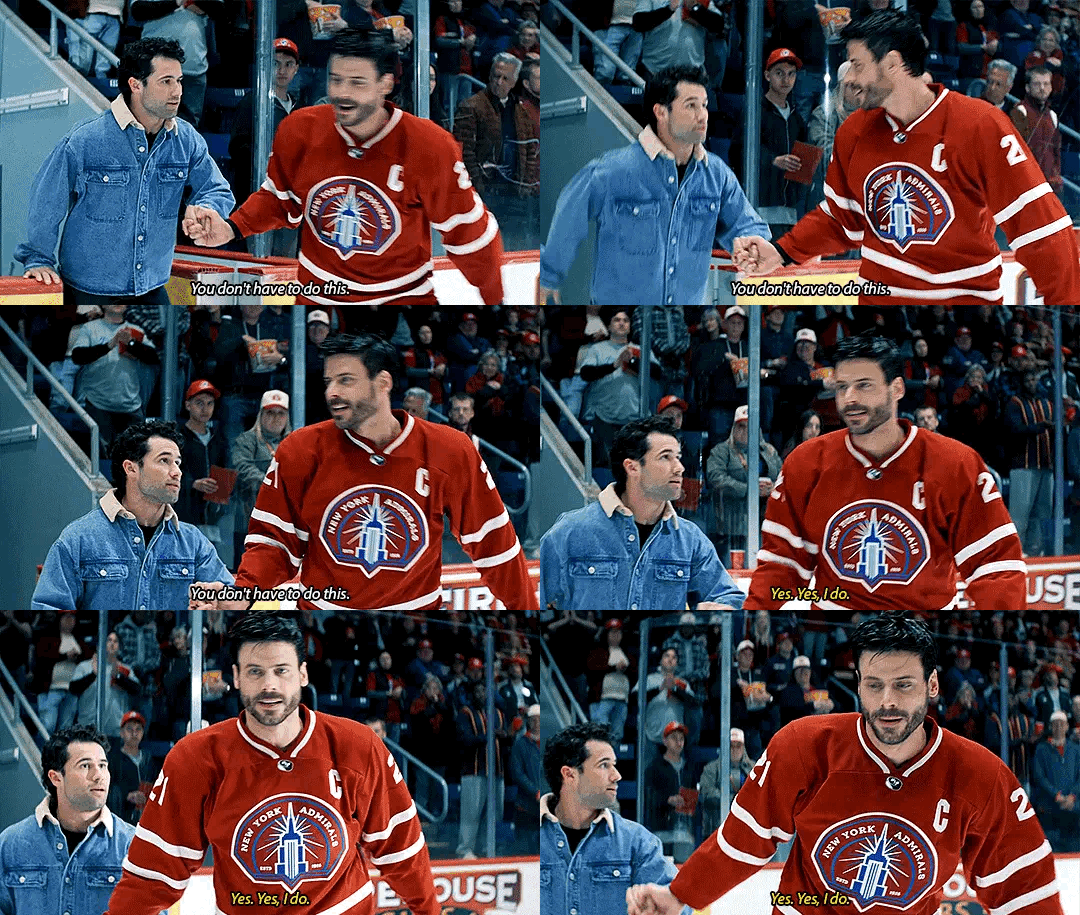
Living your truth has the power to reshape the structures of reality itself with Saturn and Neptune together in Aries.
In this one act, all fans of hockey are exposed and dissolutioned of their pre-existing view of masculinity itself, considering how one dimensional these players are often viewed. It also softens and makes malleable the Saturnian structure, the institution of hockey, allowing Shane and Ilya to dream (Neptune) of having more for themselves and believe that it may actually be possible to be together.
Neptune’s influence is all pervasive. We can only deny our own truth for so long before it wears us down. In Aries, this is a Neptune that inspires compassionate action. Even the actions taken that seem self centered or personal end up benefiting the whole.
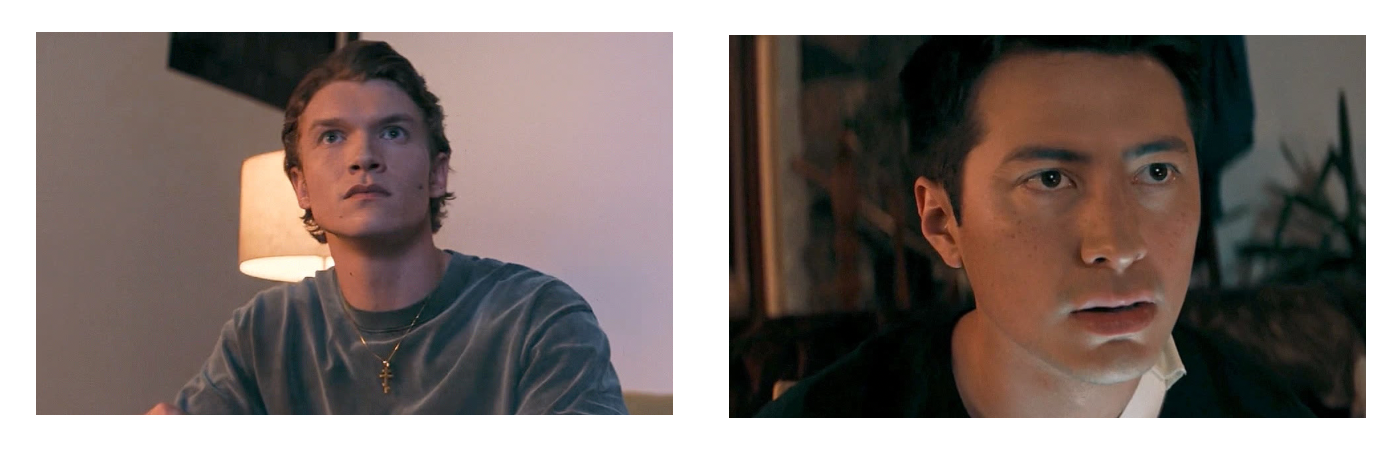
We know that Scott lost his parents at a young age and was basically raised and financially supported by his hockey family. It is shown and implied that they are really all he has and, yet, when the championship game is over, he appears incredibly alone as all his teammates welcome their families onto the ice to celebrate. But he’s not actually alone, and he knows this. In this moment, it finally seems to hit him that the only one standing in the way of his belonging is himself.
Anytime we are radically honest with others about our individuation journey we are actually choosing unconditional love of self over conditional belonging. We are deciding that it’s no longer okay to submissively allow others to project (Neptune) their idea of who we are upon us. We no longer wish to wear that mask in order to maintain stability, normalcy, status quo—all the Saturn roles—in order to “protect” others from who we are. We are also willing to question our own belief that it somehow isn’t possible to be ourselves in this way and consider that maybe we haven’t given our family/friends/community/etc the chance to expand with us.
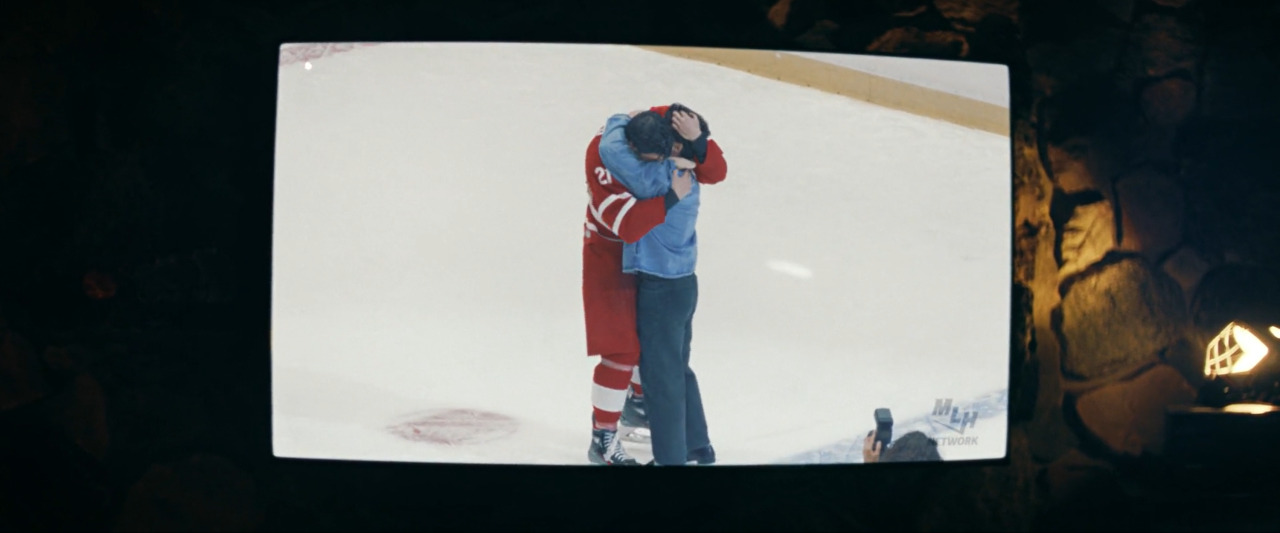
So much time (Saturn) is taken away from us when we lack the bravery, support, belief, and will to openly be who we are. I remember when this really hit me in my 20s, how all the secrets I had kept in my youth felt like they held me frozen in time, stealing years of my life just because being honest felt impossible.
Being honest speeds up time.
As Scott so pointedly says, “When you have a secret that you work hard as I did to protect…it’s exhausting. It’s a non stop effort and it’s also really really lonely.” Saturn and Neptune through Aries may soften the edges of our present moment just enough to let some truth slip through, transforming the very foundation of our lives.
Sexual Sovereignty
Sexual sovereignty is a recognizable theme with the transit of Saturn and Neptune through Aries and is an obvious through line of Heated Rivalry but shows up in a much more confused Neptunian way in Pluribus. As Neptune blurs lines and creates a haze of distortion and fog wherever it goes, this expression of the energy in Aries can display a lack of or confusion around sexual boundaries.
In Pluribus, Diabaté (Samba Schutte), one of the 13 uninfected, has fully embraced the fate of the world and is using it to manifest his own complete Neptunian fantasy. Diabaté‘s character is introduced through his airplane of choice, Air Force One, that he has asked the joined to fly him in to meet the others. He then retreats to Las Vegas to live out a capitalist’s fantasy of being a high roller with an entourage of women living in a penthouse suite once owned by Elvis Presley.
When Neptune’s imagination meets Saturn’s tangible world, literally anything is possible. While the immune can now potentially have any of their desires immediately granted, this creates a surreal and confusing film over this new world. Many might struggle to stay grounded and discerning of what is actually real (or moral) in a world where hand grenades or the company of anyone we desire are freely given just by asking.
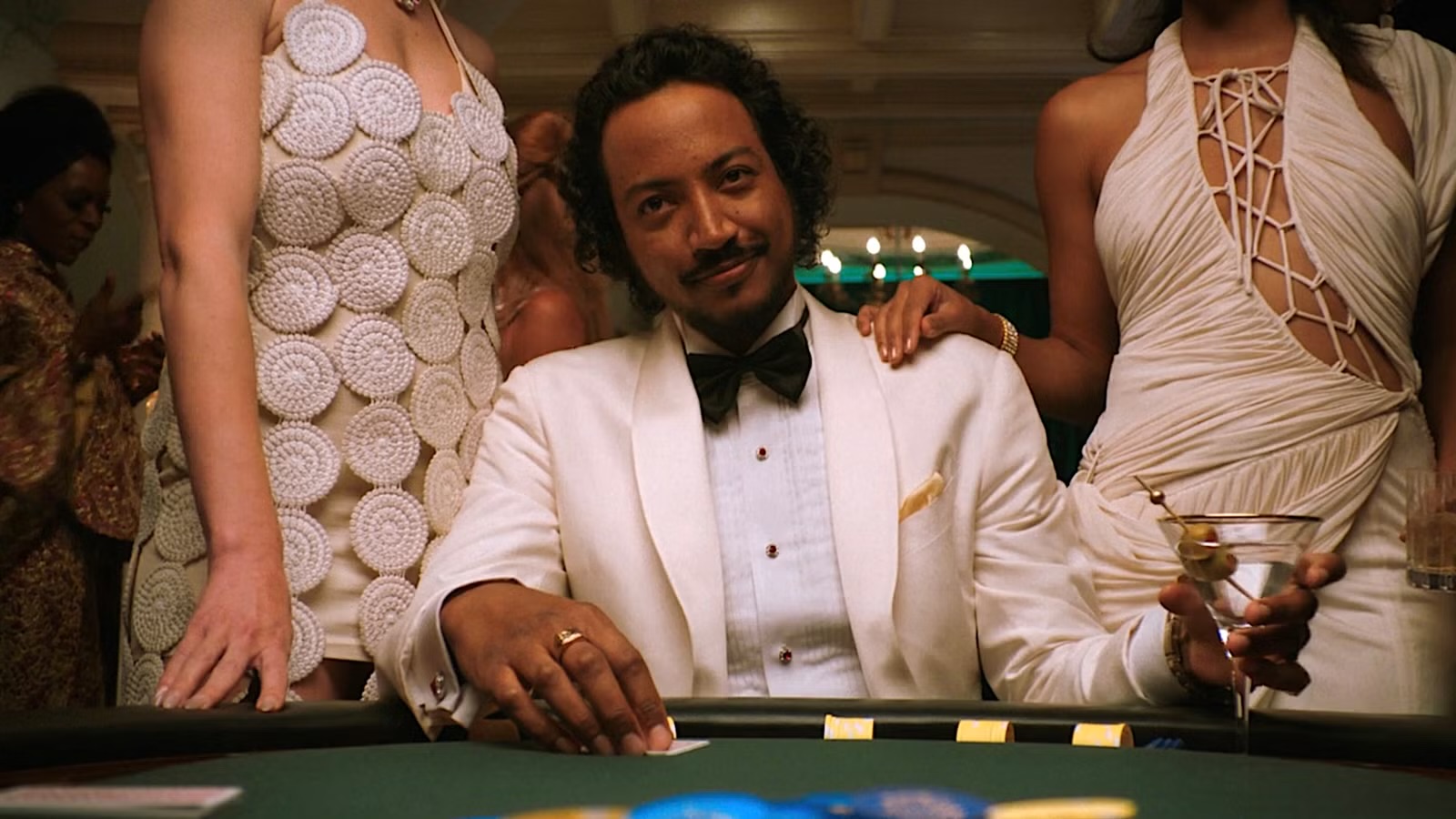
While the joined are eager to appease, there is still a question of individual consent. The joined have one mission, to bless everything in the universe with this virus so they might merge into one collective consciousness. If they are all one, how does a physical vessel of the collective consent to sexually pleasing Diabaté? Or Carol for that matter since she also has sex eventually with Zosia? What happens if the collective turn back into individuals, how will that change or not what transpired? Who is manipulating who? Carol is adamant about pointing out how Diabaté is basically assaulting women but then becomes entangled in her own fantasy and does, by her own logic, pretty much the exact same thing.
The overall mindfuck regarding sexual boundaries in this show is not one rooted in reality but it does bring this important Saturn and Neptune in Aries theme of sexual sovereignty to the forefront.
There may be a deeper prodding question both shows are inviting us to ask here about the conditioning and trauma involved in how we grow to understand ourselves as sexual beings. The extremes to which our sexuality is formed and objectified by adults impelled to either control it or use it for their own satisfaction is still omnipresent.
We are all witnesses right now through the release of the Epstein files to the undercurrent of sex trafficking and abuse that has been pervasive inside protected elite social circles. Though this might not be news to everyone, the timing is significant as part of how the Saturn Neptune conjunction is profoundly changing the collective’s view of reality when it comes to authority figures and the structures of power that protect them from accountability. As this marks the very beginning of this 36 cycle, it’s clear that the reckoning and justice sought here is not going away but will be something we collectively continue to address at all levels of power as we progress.
How has your relationship to your body, your instincts, and to sex been shaped through physical and cultural structures, mythos, and faith? Where do potential opportunities for personal and collective repair and healing around this exist right now for you? How do you understand or not the interconnection between your sexual sovereignty and your spiritual sovereignty?
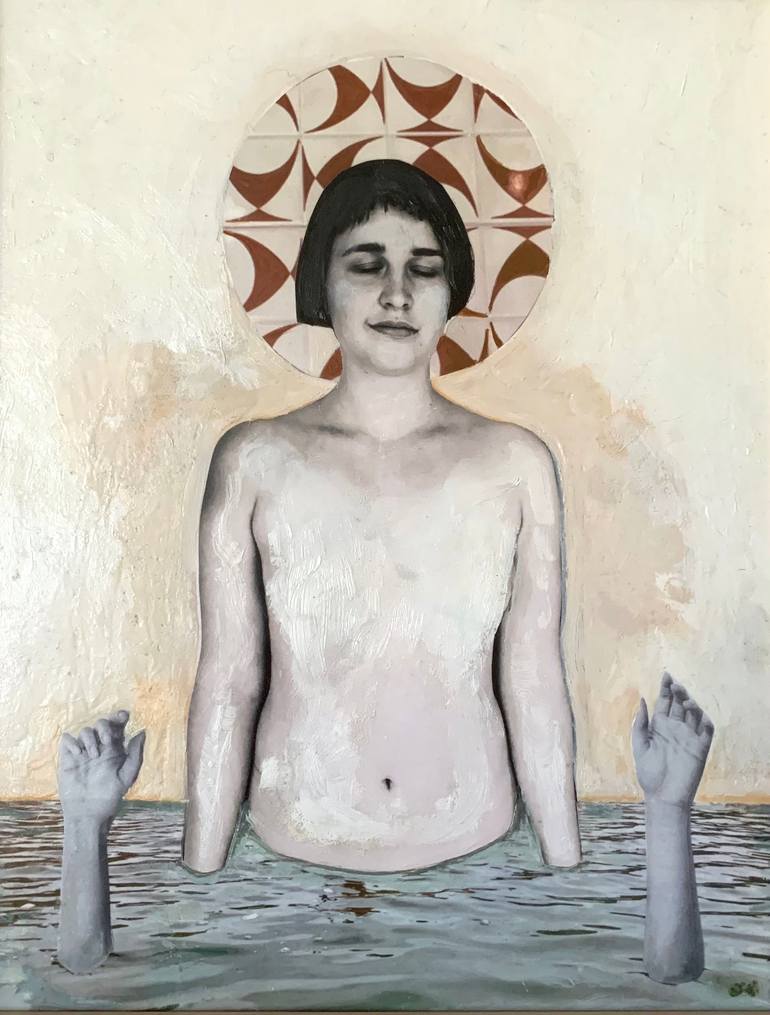
It feels meaningful that Saturn and Neptune traveled together through both Pisces and Aries but that their only exact conjunction happened in Aries. To me, this points toward a cultural reset with the potential to dramatically shift how we relate to our bodies, to sexuality, to expressions of masculinity, and to the Mars and Aries archetypes as a whole, along with how these things are all integrated as part of our spiritual embodiment. There is a call for the return to form, rawness, spontaneity, aliveness, experiential presence, and humanity at a time where AI is filtering and interpreting more and more of what we see and experience.
This was a big reason why I decided to spend so much time examining these shows. The way they are each in unique conversation with this transit has clearly captivated me and has so much to offer us. Because Neptune is a planet that describes projections, it’s useful to notice what stories are overwhelmingly enchanting the public and causing them to project their own lives into them. Heated Rivalry in particular has such an amazing fandom that has really been able to find themselves inside this story and be quite literally moved by it. The amount of videos and comments I’ve seen of people being inspired to go make actual physical changes in their lives because of this show is wild…all that heat has to go somewhere!
Healing The Masculine
While Neptune in Aries can signal a glorification of or idealization of masculinity, there is also an opportunity to re-imagine, soften, and experience a healing of rigidity or calcification within the collective psyche around the masculine archetype. This is quite present within Heated Rivalry as viewers are meant to have a more internal experience, seeing behind any hard facade into a much more nuanced and intimate portrayal of the men on the show.
Despite the various conflicts that unfold, Heated Rivalry manages to retain focus on the bravery it takes to love another person just as they—and as you—are, and how the power of that love openly shared can actually create systemic change. I believe this is why it has appealed to such a universal (Neptune) audience, even with straight men who seem to understand from their own experience the intensity involved in performing the rituals of masculinity (Aries).

There is a more flowing and transient nature to personal truth with Neptune in Aries. Maybe we won’t feel so tied down to being one thing but understand we are always in flux with who we are moment to moment and it’s our right to play with that and share it as we so desire.
There is healing within that fluidity and also grief. Grief for each time our freedom to be embodied in the present moment was withheld through violence and suppression. Grief of dysphoria, when the conflict between the real (Saturn) and ideal (Neptune) made being seen in a gendered body and seeing ourselves painfully misaligned. Grieving for the safe connections that never arrived to help us soften into self like they did for the characters in this story. Heated Rivalry has brought so many wounds to the surface for people but not without an equal invigorating invitation to do something for our greater personal satisfaction and self actualization.
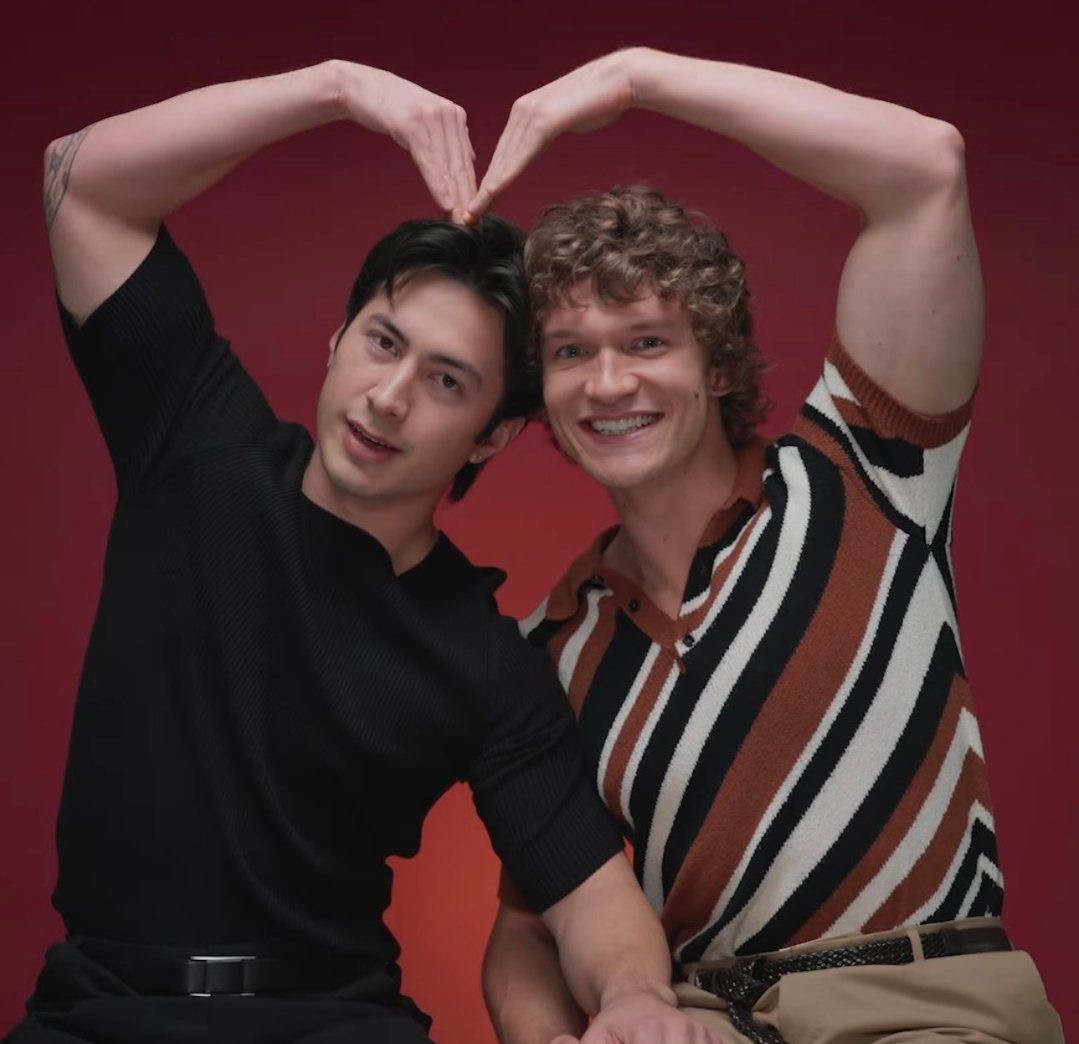
The sincerely genuine friendship bond between the actors Connor Storrie and Hudson Williams is really a gift that keeps on giving as well. It is such a healthy example of what is possible between men who possess a secure ego and are actually self assured and divested from (if they ever invested to begin with) taboos around intimacy in friendship with other men. They are quite radically different in real life than the characters they portray and to have such confidence, ease, and joy between them is honestly very healing to witness.
“The movies now a days more or less replace the fairytale telling and the myth telling…therefore, movies which tell about the inner world like fairytales are much more attractive to the public because we really need myth to have an orientation or to have mapping out of the dream world or the unconscious.”
– Marie-Louise von Franz from The Way of the Dream (1985)
These Tropes are Obsolete
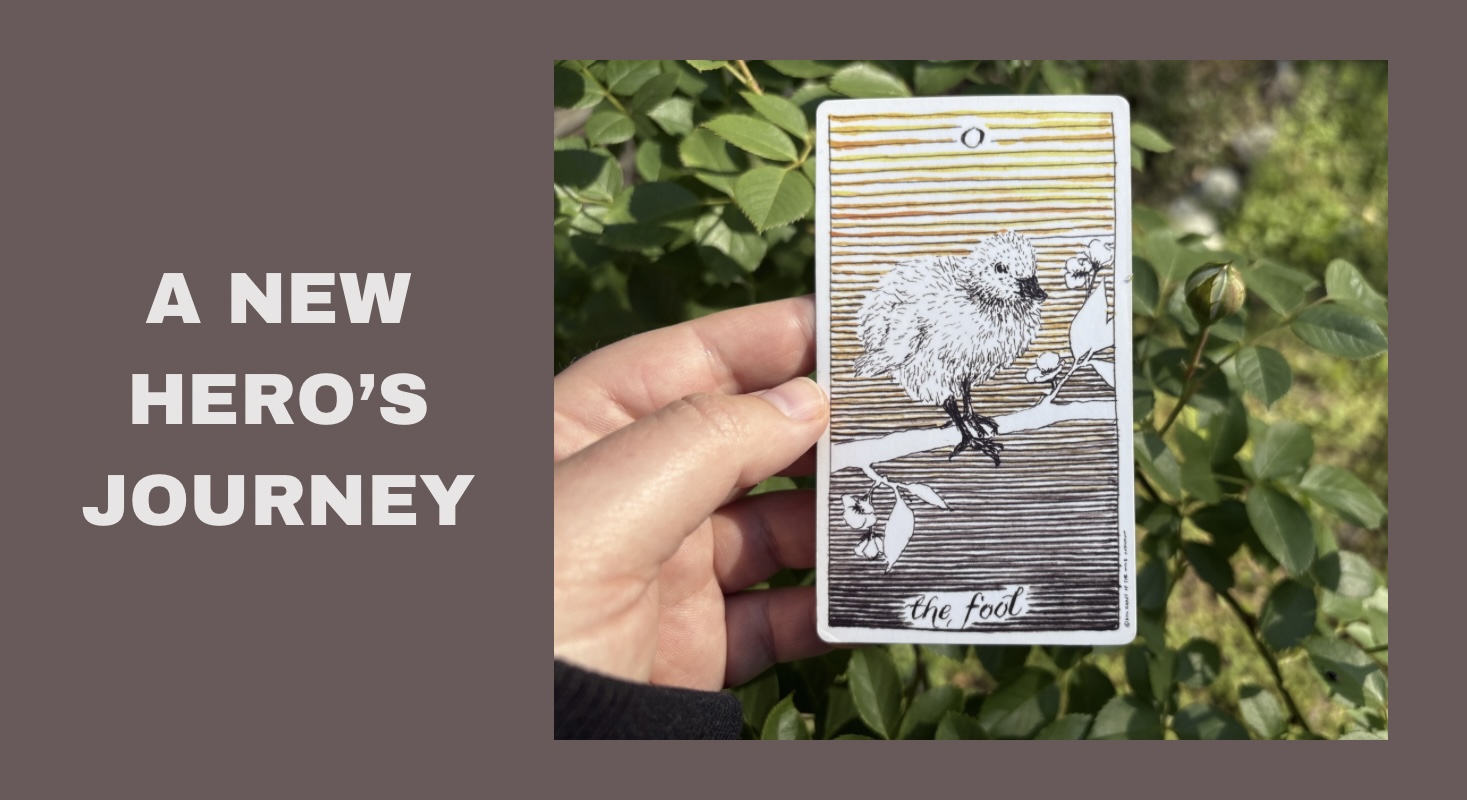
Neptune is the stories and myths we tell that help us make meaning of life. As this planet travels through Aries, there is an opportunity for new myths, new ways to engage with the poetry of life, and even the potential for new forms of storytelling all together to be birthed. Aries is where the hero, or fool, begins their journey. While Saturn and Neptune come together every 36 years, they have not met in Aries since 1703. And, I found a few sources claim (sorry, I’m not doing a full ephemeris sleuthing) that they have not met at exactly 0 degrees of this sign, like they just did in February, in over 9,000 years.
We are collectively over the worn out tropes that have been running through the cultural imagination on repeat for the last 300+ years. Any residue from outdated restrictions upon storytelling are being cleansed or made obsolete. Distant legacies of censorship and attempts to shape cultural morality through media control left behind by operations like Hollywood’s Motion Picture Production Code (also referred to as the Hays Code), may now completely lose any lingering influence in how we experience stories.
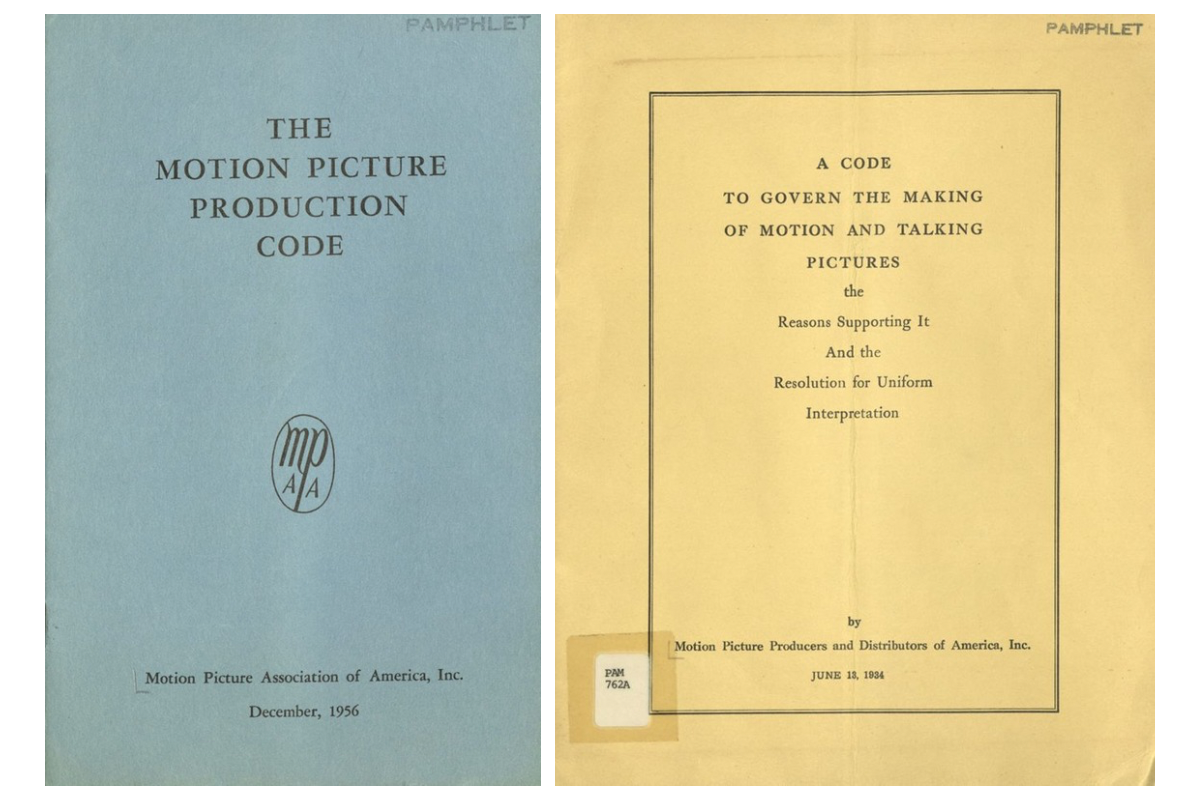
It might seem a stretch to believe something like The Hays Code could have such lasting effect even after it was dismantled. However, when we understand that this code is where we get the lesbian and gay death/suicide trope from, along with the lesbian vampirism trope—which basically used lesbians as a scapegoat for the collective shadow feminine or anima archetype through cultural images—it becomes more clear how pervasive a trope can be in shaping the way we continue to tell stories. The Hays Code6 required filmmakers to follow a certain narrative if they wanted to explore any sort of “sexual perversion” within their film. This meant that to have a queer character on the screen at all their sexuality must be shown as punishable in some way, such as by death in the story. If you wanted your film and, therefore, any representation of LGBTQ+ life to be shown to the public, you had to comply.
It’s important to note that the Hays Code was specific to Hollywood and the films produced within the United States but also censored what was allowed to be seen in the states. The highly detailed and specific rule book went far beyond “sexual perversion,” beginning with “1. No picture should lower the moral standards of those who see it.” You can read one iteration of the code book from 1930 here. If you have any interest in film and media I suggest checking it out to understand a little more about how storytelling through moving pictures was influenced and made to fit within a certain biased standard of morality.
Showing the suffering of certain expressions of humanity on screen was calculated and meaningfully orchestrated. The collective was essentially forced to witness the punishment of queer people through arts and entertainment and the impact of this upon the cultural imagination has reverberated long after the law was deemed obsolete.
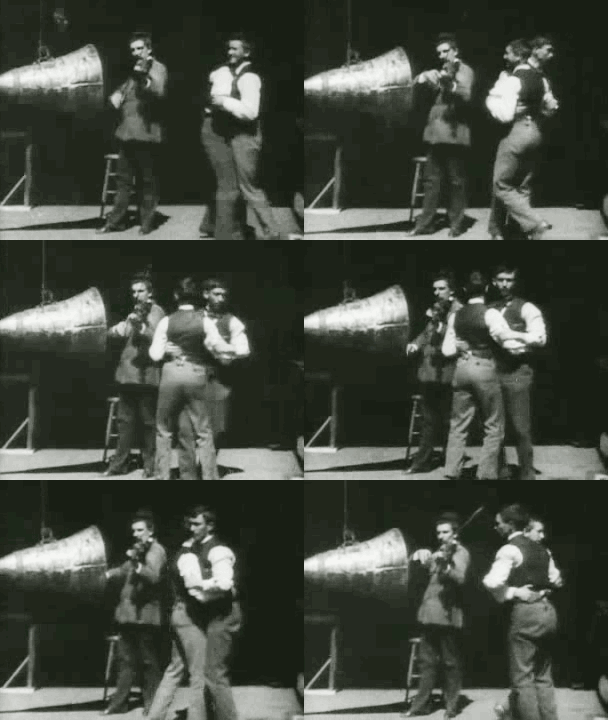
The Hays Code was on the books from 1934-68 but in May of 1952, during a previous Saturn Neptune conjunction, there was a landmark case that significantly weakened it to the point of being nearly useless after this time. In Joseph Burstyn, Inc. v. Wilson—also referred to as the Miracle Decision—the US Supreme Court determined that it was a “restraint on freedom of speech,” and therefore a violation of the First Amendment, that the commercial showing of something deemed “sacrilegious” be censored. This example demonstrates how Neptune as a force against Saturn really weakens legacy structures and causes change in more quiet, yet powerfully watershed ways.
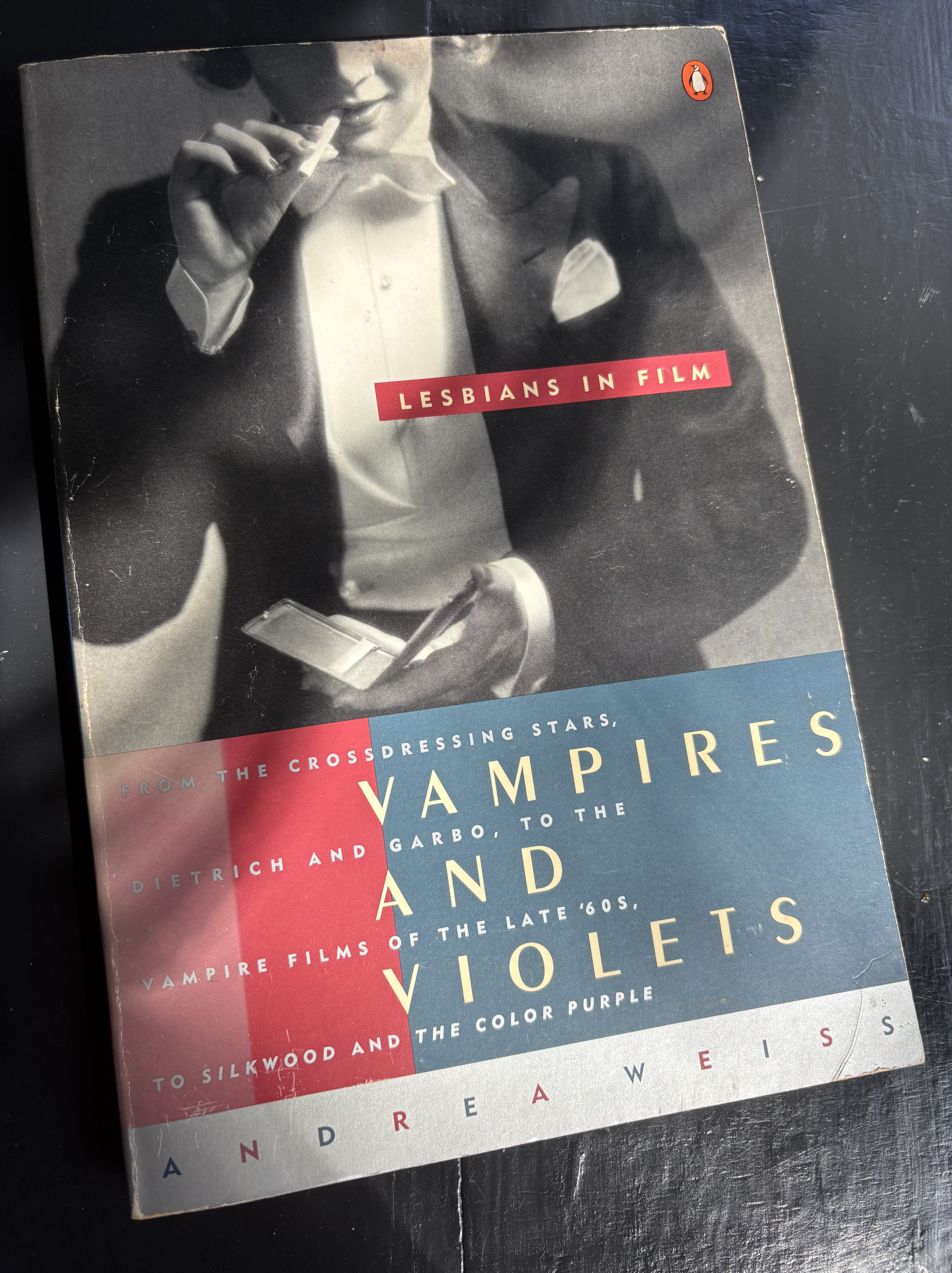
During the same Saturn Neptune conjunction of 1952, The Code of Practices for Television Broadcasters was created by the National Association of Broadcasters and gave a set of ethical standards to regulate television programming until 1983. There is a funny history to this as well that corresponds with Saturn and Neptune as times of heightened confusion around what is real. Growing concern around the legitimacy of quiz shows in the early 50s, and whether they were being truthful in their portrayal of facts, is part of what continued to shape this particular Code of Practices through multiple amendments made after its creation. Here we see Saturn attempting to wrangle in the elusive nature of Neptune through regulations and law.
Neptune in Aries, Re-envisioning Moving Pictures
Regulation of the narrative is much more influenced by money and what is believed to be sellable at this point. This too, however, might be challenged by filmmakers and creators who are choosing to go their own way so as not to compromise their vision as Neptune moves through Aries. This is exactly the ingenuity and creativity that birthed Heated Rivalry. Director Jacob Tierney chose to work on a small budget and get creative with how they shot the show so as to tell the story in the way he envisioned it. Executive director Julie Roy is quoted7 saying that it was supposed to be made with a U.S. platform.. “But he didn’t have the freedom he wanted. For example, [they wanted] to have the first explicit scene only in episode five to tone down the romance.”
Tierney also spoke to the difference it would have made if the show were filmed in the U.S., “We would have waited the entire season to see a kiss. That’s what would have happened. We definitely would not have had sex in the first episode. It would have been about a whole team with 20 other players and their wives and anything to dilute the essence of what this was. We had one executive tell us, ‘what this show really needs is a female main character.’”8 It’s also worth noting the quite rapid Aries like speed it was picked up by HBO—just two weeks before the premier on Crave.
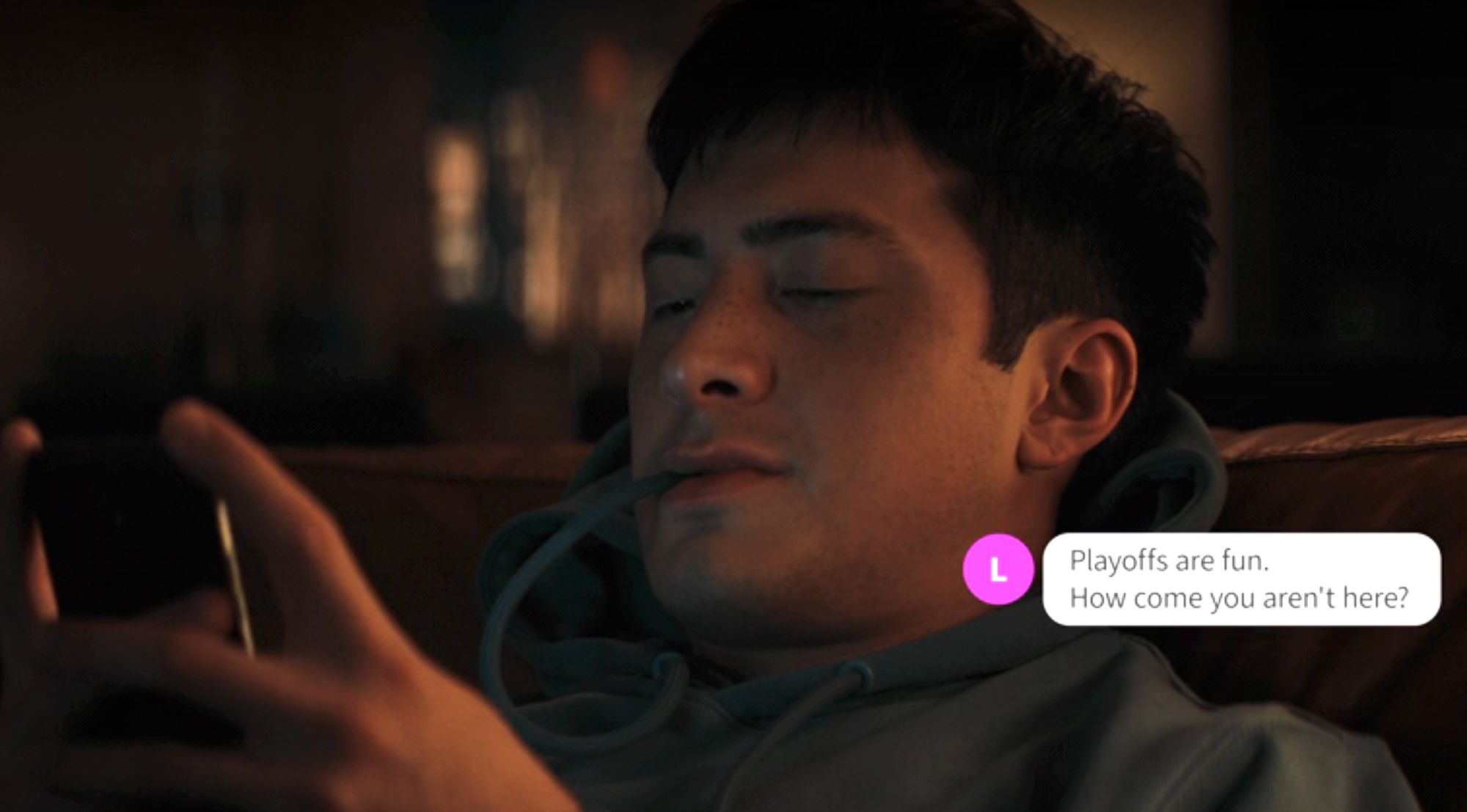
If you are an independent filmmaker with a fire in your heart about the story you need to tell, let Neptune in Aries support your journey (we all thank you for your dedication to your vision). This transit may just be the invigorating life giving jolt we need to remind us of the power of story and seeing ourselves reflected on screen in ways that deeply transform our lives. I know it has already really inspired me back toward my own devotion and passion for this dream weaving art form that has been so much a part of my own life.
With all the changes that AI is bringing into this space, I am genuinely excited for what this tension will end up forcing into creation as both audiences and creators double down on the raw, intimate, real, unfiltered, NOW experiences of life that wish to be told with incredible presence and reverence to the art and its material process.
With second seasons of each of these shows in the works, it will be fascinating to see a continuation of these Saturn and Neptune in Aries stories, especially within Pluribus. Will season two bring us a restoration of the individuation process? A return to sovereignty and independence? Perhaps humanity will come out of the joining with a more evolved perspective of our true interdependence after the profound experience of being made one. Or maybe it will play out like an unintegrated trip and the pendulum will swing back violently in the direction of selfishness and competition. Or maybe Carol will just decide to detonate the atom bomb before they take her into the fold. And with Heated Rivalry, can it destroy me just as much or more? Will the romance be as captivating without so much longing and separation? What does a reality that celebrates queer joy in the hockey space actually mean.. like about the fate of humanity? No matter what, I’ll be watching.
Thank you so much to all those who devoted their creative life force toward making these shows and for all the fans who won’t shut up about them.
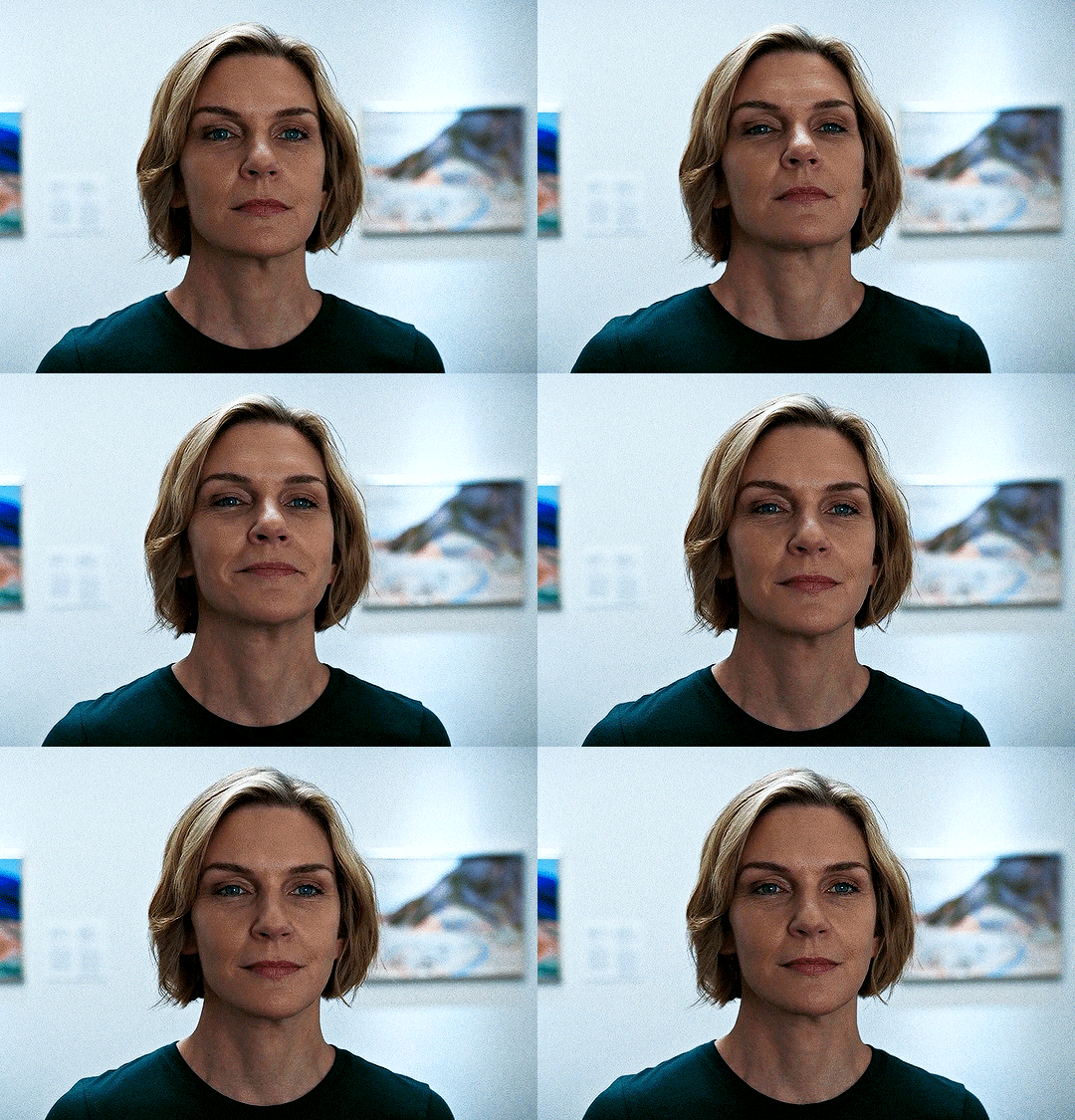

If you’re new here.. HELLO! I’m Evan and I’m so glad you found me through this epic deep dive I’ve been plugging away at for months 😅
If you’d like to support me and my writing or are interested in working more directly with me, you can become a paid subscriber here on Substack, check out my offerings, share this article with someone who might enjoy it, or feel free to leave a donation or buy me a coffee 🙏🏻🩷! Thank you so much!
I currently offer 1:1 sessions in astrology, oracle, and dream work which you can book through my website. And, if you want to learn astrology from a more intuitive perspective that gives you the authority over your astrological experience through tools and guidance prioritizing direct relationship with the planets, then you absolutely will want to check out my self guided class By The Moon: The Intuitive Guide to Understanding Your Birth Chart.
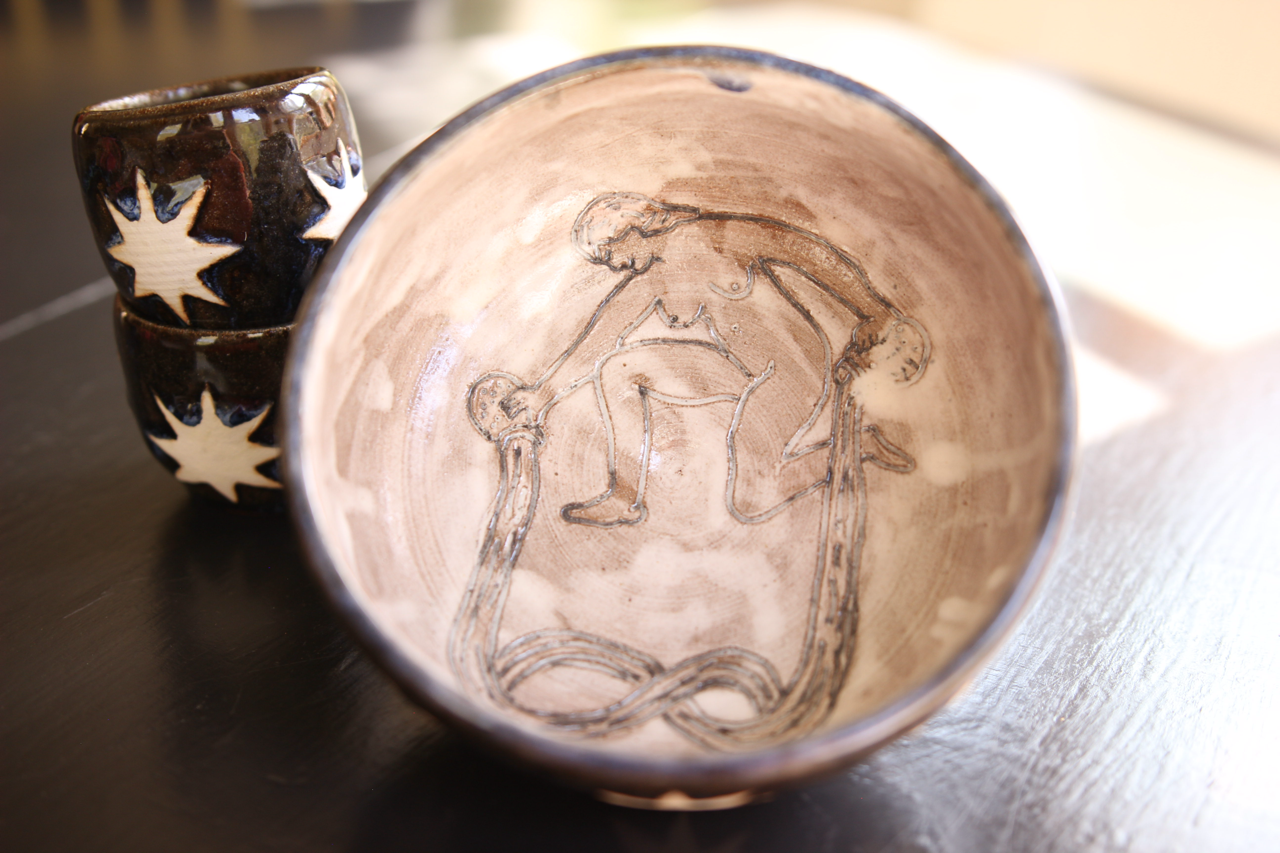
If you would like to know what your birth chart looks like as a sacred object, I also custom make ceramic natal chart altar pieces that are essentially a birth chart in a physical object. These can be found here along with my other channeled clay creations for sale.
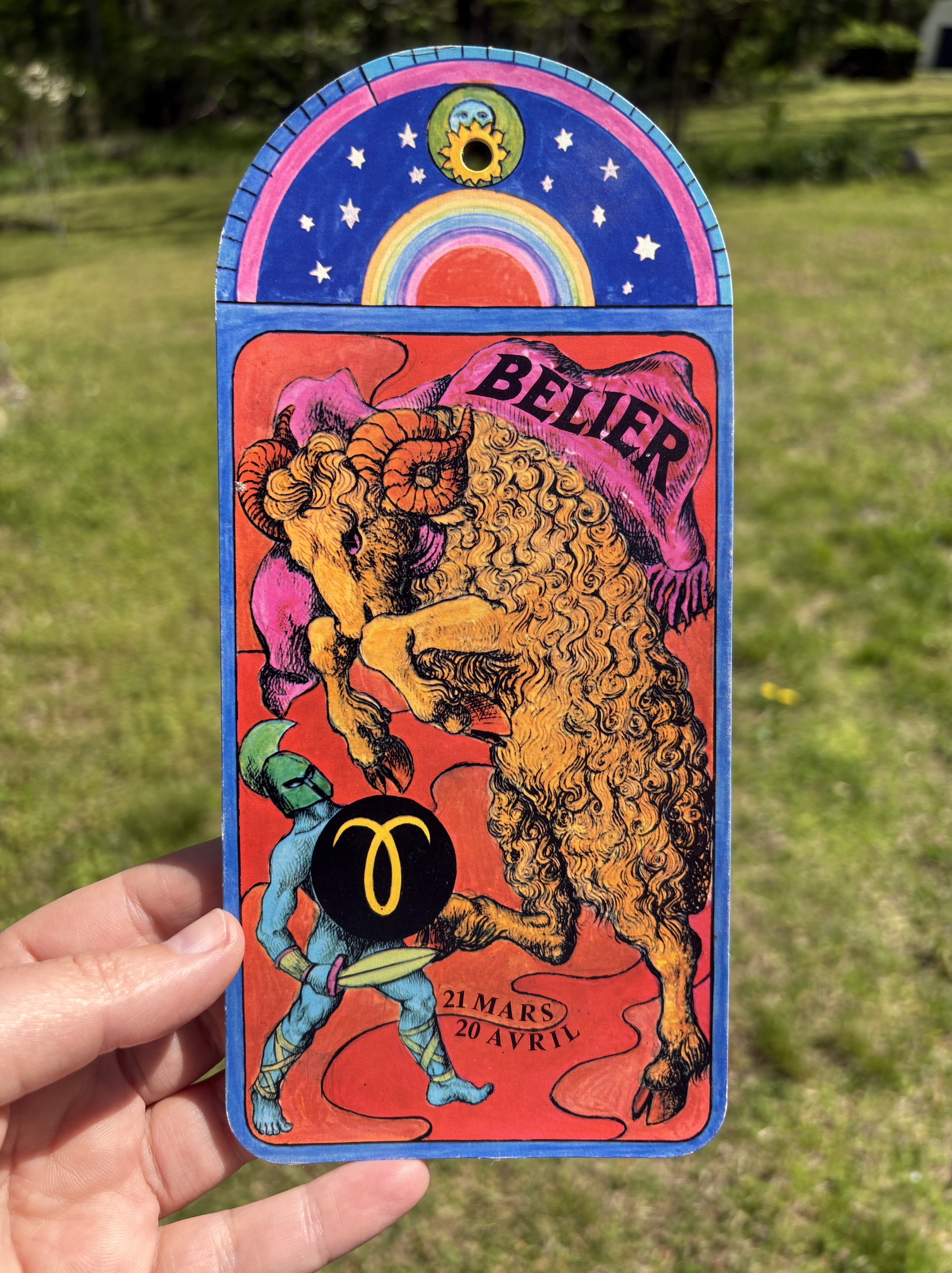
May the fires of this profound and enlivening Aries new moon and Aries stellium spring you into action towards all that is calling your heart!
If that means our paths shall cross in a more direct way, then I look forward to our meeting ❤️🔥




Jacob Tierney, director of Heated Rivalry – Saturn in Virgo square Neptune in Sagittarius.
Rachel Reid, author of the Game Changers book series which were adapted to create Heated Rivalry – also born with Saturn in Virgo square Neptune in Sagittarius.
Vince Gilligan, director of Pluribus – Saturn in Pisces trine Neptune in Scorpio with both trine to Jupiter in Cancer making a grand water trine. It’s interesting to see the tie in with Jupiter in Cancer as this is where Jupiter currently is, meaning he has been going through a Jupiter return activating his grand trine with Saturn and Neptune during the creation and release of Pluribus and its gain in popularity. It also shows he was going through his second Saturn return during this time as well.
Rhea Seehorn, Carol in Pluribus – Saturn in Gemini opposite Neptune in Sagittarius.
Connor Storrie, Ilya in Heated Rivalry – Neptune tightly conjunct Venus in Aquarius both square Saturn in Taurus.
Hudson Williams, Shane in Heated Rivalry – Neptune in Aquarius (if the time of birth is accurate then this Neptune is tightly conjunct his MC) in a sign based square to Saturn in Taurus—while this is a much wider orb, I would still consider him part of this generation, especially since Saturn is making a tight square with a stellium of planets in late degrees of Aquarius in his chart, tying all the themes together from that sign and house combination.
I highly recommend watching The Astrology Podcast’s episode, The Astrology of the AIDS Pandemic (Saturn conjunct Pluto), with astrologer Gary Lorentzen who does an incredible job along with Chris Brennan to break down LGBTQ+ history as it overlays with the AIDS Pandemic using astrology to understand and make meaningful correlations. It is sad how little views this has as it is such an important reference for all queer astrologers and historians. Gary Lorentzen lived through this time as a gay man and generously offers personal story along with important testimonial of what gay astrologers faced within the community during the 80s and 90s. Here is the link, bookmark it so you can watch later!
This is the Aries/Libra axis and with an overemphasis on Aries, especially for the next few years, it does suggest that the time to really know and be ourselves is now. We cannot progress relationally without humbling ourselves to the fact that it might not be [insert random person you are in relationship with]’s problem but ours and we have much more power over our lives than we have been taking responsibility for.
Kusimayu is a Quechua name meaning “happy river,” thank you @mamatomasa on instagram for sharing this translation and for pointing out how this seems to foreshadow her surrender to the collective mind. She also has a reel translating the Quechua chanting in episdoe 9 if you go on her page!
If you want to dive deeper into the history of The Hays Code in relation to queer representation, check out the documentary film The Celluloid Closet. It does an excellent job of sharing the history of LGBTQ+ representation in film. Though it also becomes evident in watching that beyond a lack of queer and trans representation, there is an even larger issue around race and the near invisibility of POC actors amongst a sea of white faces, not just within queer filmmaking but overall in the industry.

